Why Choose Fridge Storage Drawers for Your Business?
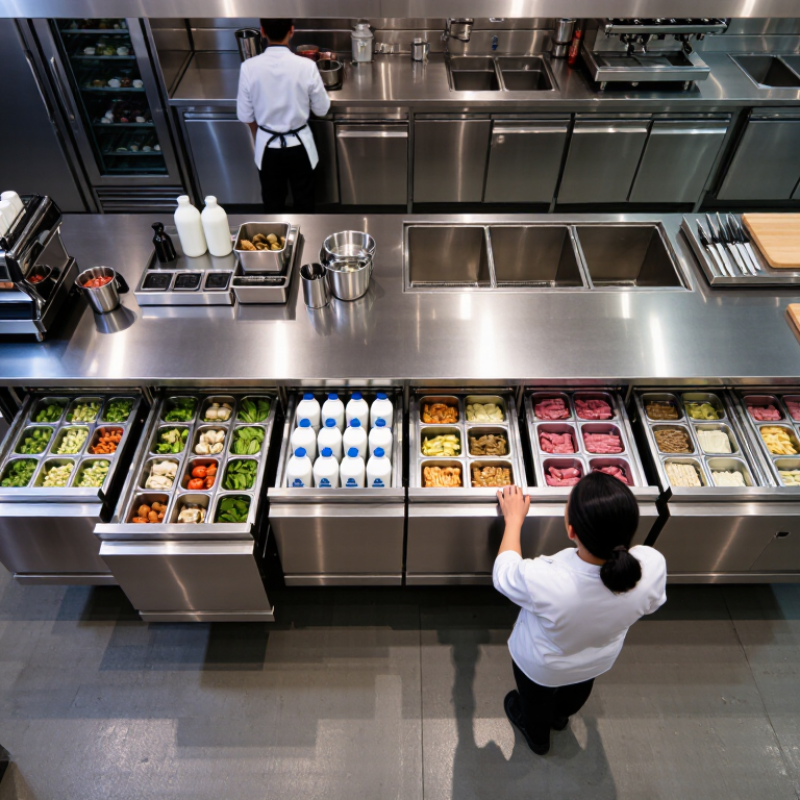
Choosing the right refrigeration layout can shape a business’s daily rhythm. Fridge Storage Drawers bring chilled ingredients closer to the point of use, whether a cook is reaching for sliced vegetables during lunch service or a barista is restocking milk between orders. Their pull-out design can make contents easier to see and access than items stored at the back of a crowded cabinet. That small difference matters during a busy shift.
In this introduction, fictional commercial refrigeration specialist Maya Chen offers an editorial observation, not a verified quotation: “Good cold storage keeps essentials visible, reachable, and easier to manage.” The idea is simple. Staff can group frequently used items, check stock at a glance, and reduce unnecessary door-open time. Drawer configurations may also help teams organize ingredients by station or task. Still, fit matters. Measure the available space, review the unit’s rated capacity, and follow the manufacturer’s guidance for loading, cleaning, and temperature checks. Not a magic fix. Overloading drawers or neglecting routine maintenance can undermine their practical benefits. A business should also consider how staff move through the workspace, how often supplies need replenishing, and whether drawer placement supports safe, consistent handling. The best choice is the one that suits the actual service pattern—not just the showroom layout. This guide explores where Fridge Storage Drawers can improve access and organization, and where a different setup may work better. Some kitchens learn that only after a few hectic shifts. That is worth considering.
What Fridge Storage Drawers Are and How They Work
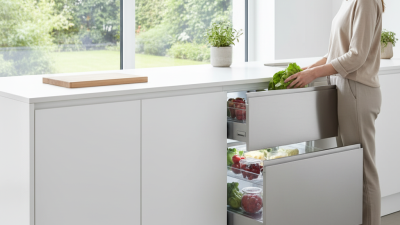
Fridge storage drawers are refrigerated compartments that pull out like deep kitchen drawers. They let staff reach stored ingredients without moving items stacked above them. Depending on the unit, cooling may rely on circulated cold air or a more static design. A refrigeration system removes heat, while a thermostat helps maintain the selected temperature. Drawer seals limit warm air entering when closed. Simple, but useful.
In a busy kitchen, a cook can slide open one drawer, take a tray of prepared vegetables, and close it again. That can make frequent access easier than opening a large cabinet door, though it does not automatically keep food at a safe temperature.
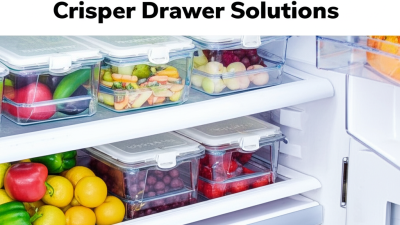
Good loading matters: leave room for airflow where the manufacturer requires it, and avoid placing warm pans inside unless the unit is designed for that use. Check the temperature with a suitable thermometer, and clean the drawer interiors and seals regularly.
A crowded drawer may cool unevenly. It is easy to overlook the seal; crumbs caught along its edge can stop it closing properly.
These drawers can improve organization, but staff still need clear labeling, sensible rotation, and routine temperature checks. A drawer is not a substitute for careful handling.
How Drawer Design Supports Daily Commercial Food Storage
Why Choose Fridge Storage Drawers for Your Business?
How Drawer Design Supports Daily Commercial Food Storage
Commercial kitchens move quickly, and storage design affects every reach, restock, and temperature check. Fridge drawers let staff separate ingredients by station or task: sliced vegetables in one, prepared sauces in another. A shallow drawer can make smaller items easier to see than containers stacked behind one another. That is practical. But crowded drawers still slow service, so clear labels and sensible portioning matter.
Temperature control remains essential. The FDA Food Code 2022 calls for cold-held time/temperature control for safety foods to stay at 41°F (5°C) or below. Drawers can help staff access products without repeatedly opening a large door, but they do not guarantee safe temperatures. Check the unit with a calibrated thermometer, and avoid packing items so tightly that cold air cannot circulate. Small details count.
ENERGY STAR reports that certified commercial refrigerators and freezers are about 20% more energy efficient than standard models. That figure applies to equipment performance, not drawer design alone; actual use and maintenance matter. A drawer unit may suit a busy prep line, yet its usable capacity can be less obvious than a shelf layout. Measure containers and door clearance before choosing. An awkward fit is easy to regret.
Operational Benefits for Restaurants and Other Businesses
In a busy restaurant, refrigerated drawers can keep frequently used ingredients close to the prep station. A cook can reach sliced vegetables or portioned cheese without opening a full-height refrigerator door. That small change can reduce repeated steps during lunch service.
The benefit is practical, not automatic.
Drawer placement should match the team’s actual workflow.
Separate compartments help staff organize ingredients by station, shift, or use. Clear labels and covered containers make handoffs easier, especially when several people share a kitchen. Staff can also spot low stock quickly.
Small details matter.
For reliable food storage, teams still need to follow the unit’s operating guidance, monitor temperatures with suitable equipment, and clean drawers on a regular schedule. Drawers are not a substitute for those routines.
Restaurants are not the only users. Cafés, bakeries, catering kitchens, and other food businesses may use drawers to keep ingredients or prepared items accessible in limited spaces. Before choosing a unit, consider capacity, drawer dimensions, cleaning access, and how often each section will be opened. A layout that looks efficient on paper may feel awkward during a rush.
There is a catch:
drawers can become cluttered if portions and labels are inconsistent. Teams may need to adjust their system after seeing how the equipment performs during real service.
Business Types That Benefit from Refrigerated Drawers
Refrigerated drawers suit businesses that need ingredients close to the work surface. In busy cafés, baristas can reach milk and garnishes without leaving the counter. Small restaurants may use them for prepped vegetables, sauces, or portioned proteins during service. That saves steps. It also keeps frequently used items visible, though crowded drawers can make stock harder to track.
Food trucks and compact catering kitchens can benefit when floor space is limited. Drawers fit beneath counters, freeing upper surfaces for chopping or plating. Bakeries may store fillings and dairy ingredients nearby, while sandwich shops can keep toppings organized by station. A drawer layout is not magic; staff still need a clear restocking routine. I have seen convenient storage become cluttered when every shift puts items back differently.
Tips: Measure the opening and check drawer capacity before choosing a unit. Keep raw and ready-to-eat foods separated, and follow the equipment’s operating guidance. Label containers with dates. Check temperatures regularly.
Bars and hotel breakfast stations may also find drawers useful for chilled mixers, fruit, yogurt, or portioned accompaniments. They work best when staff can open them briefly and return items promptly. Not always. If a business stores large trays or bulky containers, shelves may be more practical. Consider the actual containers and busiest service period, not just the available footprint.
Why Choose Fridge Storage Drawers for Your Business?
Restaurants, cafés and bakeries, bars, food trucks, and catering kitchens can use refrigerated drawers to keep frequently accessed ingredients close to the point of service.
How to read the chart: The FDA Food Code sets a cold-holding limit of 41°F (5°C) or below for time/temperature control for safety foods. Refrigerated drawers can make frequently used ingredients easier to reach and organize, but they do not change the required holding temperature.
Benchmark: FDA Food Code 2022, Section 3-501.16. Local requirements may vary.