Why Choose a Seekh Kebab Maker Machine for Your Business?
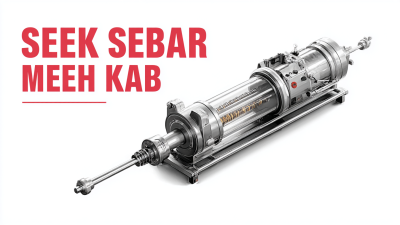
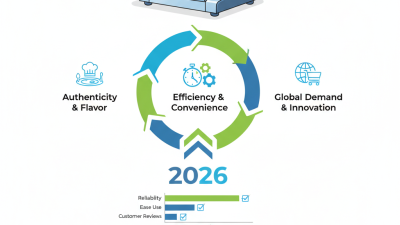
The restaurant industry is rapidly evolving, with innovative technologies driving efficiency and quality. One such advancement is the Seekh Kebab Maker Machine. According to a report by Technavio, the global food processing equipment market is expected to grow by over $35 billion by 2026. This trend underscores the importance of adopting state-of-the-art machinery in food preparation.
A Seekh Kebab Maker Machine enhances productivity by streamlining the kebab-making process. It can produce uniform kebabs with consistent flavors and textures, which is crucial for customer satisfaction. Restaurants can reduce labor costs while increasing output. Such benefits are essential as the industry faces rising operational expenses. However, it's worth noting that transitioning to automated solutions requires initial investment and training.
Moreover, while the benefits are clear, the choice of machinery can also present challenges. Not all machines are created equal; selecting a reliable and proven brand is vital. Ensuring the longevity and efficiency of a Seekh Kebab Maker Machine can be complex. Thus, conducting thorough research and considering expert recommendations will mitigate risks and drive business success in a competitive market.
Benefits of Using a Seekh Kebab Maker Machine for Business Efficiency
Investing in a seekh kebab maker machine can significantly enhance business efficiency. According to industry reports, restaurants using specialized equipment can boost production speed by up to 30%. This improvement allows establishments to meet customer demands swiftly, leading to increased satisfaction and repeat business. Such machines can prepare large quantities of kebabs uniformly. Consistency in size and cooking reduces waste and ensures a premium dining experience.
The automation of kebab preparation minimizes labor costs as well. Relying on manual methods can require several staff, especially during peak hours. A seekh kebab maker reduces the need for extensive staffing and training. Businesses operating in competitive markets can save on overhead while focusing staff on other critical areas like customer service. Moreover, this machine contributes to cleanliness and hygiene. It reduces the handling of raw meat, which can lower the risk of foodborne illnesses.
Moreover, some operators might find the initial investment daunting. However, the long-term savings and increased output often justify the expenditure. Efficiency gains can lead to a return on investment within months. Every restaurant needs to assess its specific circumstances and operational challenges. Balancing automation with skilled labor is crucial for optimal performance. Embracing a seekh kebab maker machine could be a pivotal choice that addresses both efficiency and quality.
How a Seekh Kebab Maker Machine Enhances Food Consistency and Quality
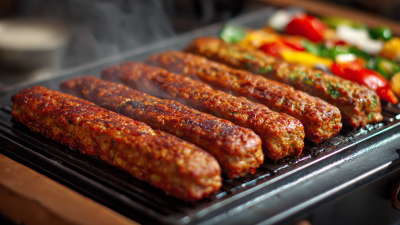
A Seekh Kebab Maker Machine can significantly improve food consistency and quality in your business. When using this machine, every kebab is shaped uniformly. Consistent size leads to even cooking. This ensures each bite is as flavorful as the last. Customers appreciate this reliability and are more likely to return.
Moreover, the machine streamlines the preparation process. It saves time, especially during busy service hours. Staff can focus on other tasks while the machine molds the kebabs. This efficiency can lead to increased output and better customer service. However, proper training is needed. Misuse can lead to inconsistencies in texture.
While the machine enhances productivity, it also requires regular maintenance for optimal performance. Neglecting this can lead to performance issues. Furthermore, while customers expect a certain quality, their tastes may evolve. Staying attentive to these changes is essential. Adapting recipes or variations can keep the offerings fresh and appealing.
Cost-Effectiveness of Investing in a Seekh Kebab Maker Machine
Investing in a seekh kebab maker machine can be a game-changer for food businesses. According to industry reports, restaurants can reduce labor costs by up to 30% when incorporating automated equipment. This technology allows for high-volume production while maintaining consistency in kebab size and flavor. The result is not just efficiency, but also enhanced customer satisfaction.
Cost-effectiveness is a significant factor to consider. A seekh kebab maker machine typically pays for itself within the first year of operation. Operators can produce more kebabs per hour compared to manual methods, yielding higher profits. Moreover, the precision of these machines minimizes waste, ensuring every ingredient is utilized efficiently. Many businesses report a 15% increase in revenue after adopting this technology.
However, there's a balance to strike. While upfront costs can be substantial, maintenance and operational expenses must be evaluated. It’s crucial to choose a machine that aligns with both production needs and financial capabilities. For instance, some models may have hidden maintenance costs that impact long-term savings. Businesses should conduct thorough market research to ensure they are making a wise investment.
Comparative Analysis: Manual vs. Machine-Made Seekh Kebabs
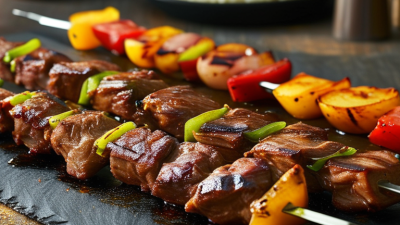
Choosing between manual and machine-made seekh kebabs involves understanding the strengths and weaknesses of each method. Manual preparation offers traditional flavors, allowing chefs to control seasoning and texture deeply. However, consistency can be challenging, especially during peak business hours. According to industry insights, a significant 70% of chefs report variations in size and taste when preparing kebabs by hand. This inconsistency can impact customer satisfaction and repeat business.
In contrast, seekh kebab maker machines streamline the process. They enable businesses to produce a uniform product quickly. A study indicated that machine-made kebabs reduce preparation time by up to 50%. This efficiency is vital in bustling environments where speed matters. Moreover, machines minimize the risk of contamination and ensure hygiene standards are maintained. However, some chefs worry that machines lack the nuanced flavors that only experience can impart.
While machine-made kebabs provide a reliable solution, they may require adjustments to maintain the taste profile. Regular staff training is essential to align machine output with culinary expectations. Investing in a seekh kebab maker machine can be a wise decision for those looking to balance quality and efficiency in their kitchen. Finding the right balance between tradition and modern techniques remains a crucial challenge in the food industry.
Why Choose a Seekh Kebab Maker Machine for Your Business? - Comparative Analysis: Manual vs. Machine-Made Seekh Kebabs
| Feature |
Manual Seekh Kebabs |
Machine-Made Seekh Kebabs |
| Production Speed |
Low (10-15 kebabs/min) |
High (50-100 kebabs/min) |
| Labor Requirement |
High (More staff needed) |
Low (Less staff needed) |
| Consistency in Size |
Varies (Depends on skill) |
Consistent (Uniform size) |
| Initial Investment Cost |
Low |
High |
| Maintenance |
Low |
Medium (Regular checks needed) |
| Skill Level Required |
High (Experienced chefs) |
Low (User-friendly) |
| Taste and Texture |
Traditional (Authentic taste) |
Consistent (Might vary) |
Key Features to Consider When Choosing a Seekh Kebab Maker Machine
When considering a seekh kebab maker machine for your business, there are key features to prioritize. One vital aspect is the machine’s capacity. How much meat can it handle at once? A larger capacity means higher efficiency in busy kitchens. Look for machines that can produce consistent sizes, offering a uniform product to satisfy your customers.
Another important element is ease of cleaning. A user-friendly design allows for quick maintenance. Machines with detachable parts simplify the cleaning process, saving valuable time. Additionally, consider the construction material; stainless steel offers durability and resistance to rust, ensuring long-term reliability.
Performance should also be a primary focus. Speed and cooking consistency are essential for busy restaurants. Direct heating methods may provide better results, enhancing flavor and texture. It's essential to test the machine’s functionality thoroughly before making a purchase. Real-world scenarios often reveal hidden challenges. Your commitment to quality will ultimately define your business.
Comparison of Key Features in Seekh Kebab Maker Machines