2026 How to Choose the Best Stainless Steel Sink for Your Kitchen?
Choosing the right Stainless Steel Sink can drastically impact your kitchen's functionality and aesthetics. According to a recent industry report by the Home Improvement Research Institute, the demand for stainless steel sinks is projected to grow by 5% annually through 2026. This growth underscores the material's popularity due to its durability and timeless appeal.
When selecting a sink, consider factors like gauge, finish, and size. Heavier gauges often indicate higher quality and longevity. The finish can affect maintenance needs, with brushed finishes often hiding scratches better than polished ones. It's crucial to reflect on your kitchen's style. An ill-fitting sink can disrupt the entire design.
Many buyers overlook details during their search. Not every stainless steel sink is created equal. Variations can lead to frustration over time. Investing in a high-quality sink pays off, making it a focal point in your kitchen. Ensure your choice aligns with your cooking habits and lifestyle. Making an informed decision today can enhance your kitchen for years to come.

Understanding Different Grades of Stainless Steel for Sinks
When selecting a stainless steel sink, understanding its grade is crucial. Stainless steel sinks are typically made from 304 or 316 grades. The 304 grade is the most common for kitchen sinks. It offers durability and resistance to rust. However, it can be prone to scratches. A sink made from lower quality steel may look good initially but might not withstand daily use.
The 316 grade contains molybdenum, which enhances corrosion resistance. It is ideal for kitchens that often deal with acidic substances. While it is generally more expensive, the investment can pay off in longevity. A sink with a higher grade will maintain its shine longer, reducing the need for constant polishing. Still, some homeowners may overlook this detail, settling for a less durable option.
It’s essential to consider gauge thickness as well. A thicker gauge provides more strength but can increase cost. Sometimes, cheaper sinks seem appealing, but their performance may suffer over time. Weighing these factors is vital when making a choice. A little contemplation can lead to a more satisfying kitchen experience.
Comparing Sink Styles: Undermount, Drop-in, and Farmhouse Options
When selecting a stainless steel sink, understanding the various styles is crucial. Undermount sinks sit below the counter, creating a sleek and seamless look. This style allows for easy cleanup, as crumbs can be swept directly into the sink. However, installation can be challenging. You’ll need a solid countertop to support it.
Drop-in sinks, on the other hand, rest on the countertop. They are easier to install, making them a popular choice for DIY enthusiasts. This style often comes with a lip that can catch and hold grime. While they offer versatility, this can lead to more cleaning concerns. Some homeowners find this frustrating.
Farmhouse sinks, or apron-front sinks, add charm to any kitchen. Their deep bowl design can handle large pots and pans with ease. However, their weight may require additional support. The exposed front can also collect dirt and grime, which can be a hassle. The aesthetics are stunning but demand regular upkeep. Each style carries its pros and cons, so take your time to reflect on what's best for your space.
Comparison of Popular Stainless Steel Sink Styles
This chart compares different styles of stainless steel sinks based on consumer preferences, highlighting the popularity of undermount, drop-in, and farmhouse designs.
Evaluating Size and Depth: How It Affects Kitchen Functionality
Choosing the right stainless steel sink for your kitchen involves understanding the importance of size and depth. A shallow sink might look stylish, but it can limit functionality. You may find it challenging to wash large pots or baking sheets. A deeper sink provides ample space for cleaning and soaking, making your tasks easier.
Consider the flow of your kitchen. A bigger sink can enhance efficiency. However, it may consume more countertop space. If your kitchen is compact, a large sink might feel overwhelming. It’s essential to balance size with kitchen design. You need to think about how your kitchen functions daily.
Evaluate your habits. Do you often host gatherings? A larger, deeper sink could be a game-changer. But if you mostly cook for one or two, a smaller sink may suffice. Reflect on your cooking and cleaning routine. Choose a sink that complements your lifestyle without overcrowding your space. Sometimes, the perfect choice isn’t the biggest or the most trendy.
Exploring Finish Options: Glossy vs. Brushed Stainless Steel
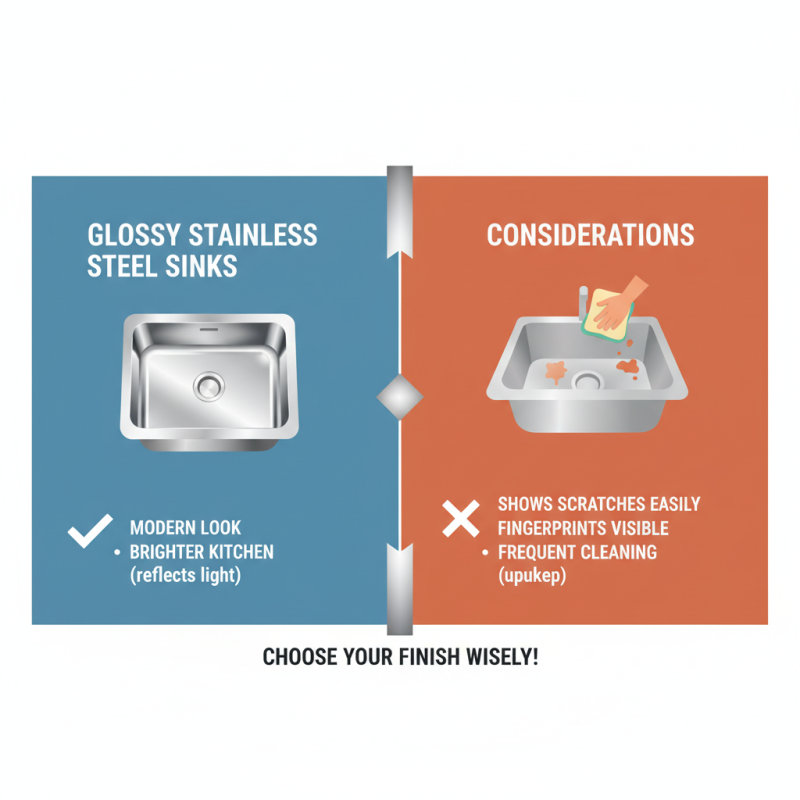
When choosing a stainless steel sink, the finish is crucial. Glossy finishes offer a sleek, modern look. They reflect light well, making your kitchen brighter. However, they show scratches and fingerprints easily. This might require frequent cleaning, creating upkeep challenges.
On the other hand, brushed stainless steel offers a textured finish. It hides scratches and smudges better than glossy surfaces. According to a recent industry report, 70% of homeowners prefer brushed finishes for their durability. However, less shine might mean a darker appearance, which can make small kitchens feel cramped.
Tips: Consider your kitchen's size and lighting. If you have a bright, spacious area, a glossy sink can enhance that ambiance. For smaller spaces, a brushed finish might be the better option. Additionally, remember that personal habits matter. If you value a polished look, be prepared to clean more often. Choose a finish that fits your lifestyle.
Assessing Durability and Maintenance: Longevity of Stainless Steel Sinks
When selecting a stainless steel sink, durability and maintenance are crucial factors. According to a 2021 report by the National Association of Home Builders, stainless steel is favored for its ability to withstand daily use. It can handle hot pots and acidic substances without warping or corroding.
Furthermore, quality stainless steel sinks typically feature a gauge of 16 to 18, which indicates thickness. The thicker the gauge, the more durable the sink.
Maintenance is also vital. Stainless steel requires regular cleaning to maintain its shine. Gentle cleansers are preferred to avoid scratches.
A study from the Kitchen Manufacturers Association shows that inadequate maintenance can lead to discoloration over time. Many homeowners overlook routine care. It’s essential to use soft cloths and avoid harsh chemicals.
Tip: Use a mixture of vinegar and baking soda for a quick clean. It’s effective and safe. Also, consider using a sink grid. This can help minimize scratches and maintain the sink’s surface. Remember, paying attention to small details can extend your sink’s life. Review your cleaning routine regularly. Reflect on what works and where you can improve. Your stainless steel sink deserves it.