How to Choose the Best Freezer Cabinets for Your Needs?
Choosing the right freezer cabinets is crucial for both residential and commercial needs. According to a report by the Global Freezer Cabinets Market, sales are projected to grow by 4.7% annually from 2021 to 2026. Expert Sarah Johnson, a lead researcher in the industry, emphasizes, "Selecting the right freezer cabinets can enhance efficiency and extend product life."
When evaluating options, factors such as size, insulation efficiency, and energy consumption come into play. For example, a well-insulated freezer cabinet can significantly reduce energy costs over time. However, many users overlook the importance of adequate size. An undersized cabinet may lead to overstocking or spoilage, whereas an oversized model can waste energy.
Understanding specific needs is essential. Not all freezer cabinets offer the same features. Some may come with advanced temperature controls, while others do not. It's important to weigh the pros and cons of each option. The right choice ultimately hinges on personal requirements, but thorough research is critical. Evaluating available data and expert opinions can provide reassurance in this decision-making process.
Understanding Different Types of Freezer Cabinets Available in the Market
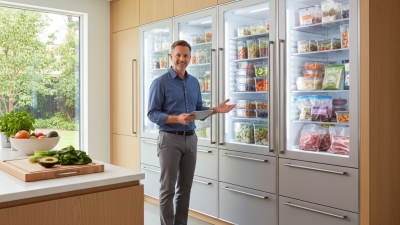
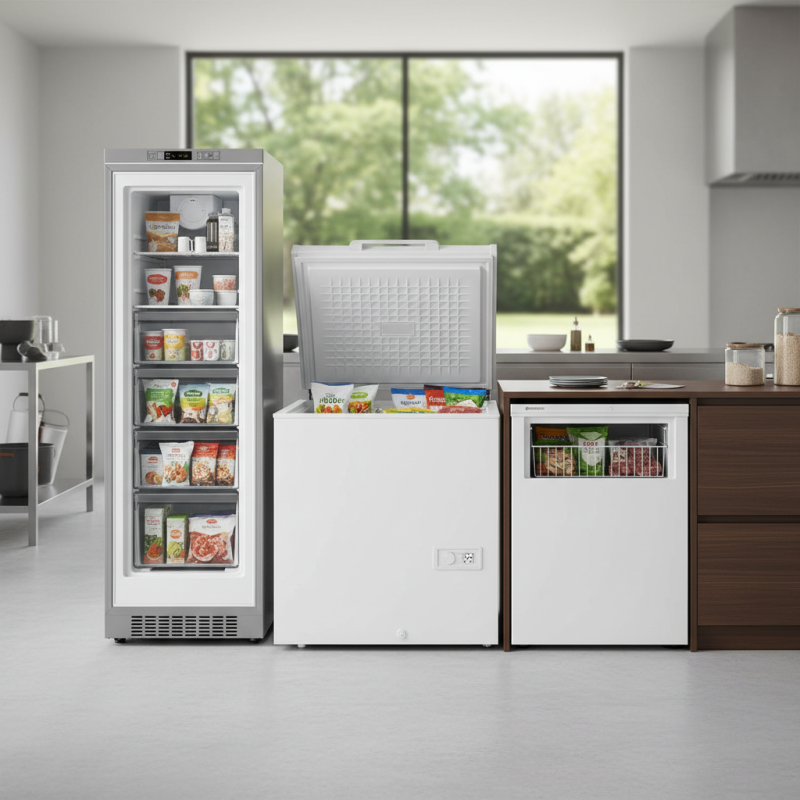
When selecting a freezer cabinet, understanding the various types available is key. You’ll find upright and chest freezers among the most common options. Upright models resemble traditional refrigerators and allow easy access to items. They take up less floor space, making them suitable for smaller areas. However, they may consume more energy and offer less storage space.
On the other hand, chest freezers provide more capacity and efficiency. They maintain low temperatures better, which can save you money long-term. If you have ample room and need to store bulk items, a chest freezer is a solid choice. Still, accessing items at the bottom can be inconvenient.
There are also specialized options, like convertible freezers. These can switch between freezer and refrigerator modes, offering versatility. Investing in energy-efficient models can reduce your bills. However, always research the energy ratings and read reviews. Practical needs often drive choices, but it’s essential to reflect on future requirements as well. Balancing immediate desires with long-term utility is crucial.
Freezer Cabinet Types and Their Popularity
Assessing Your Storage Needs and Available Space for Freezer Cabinets
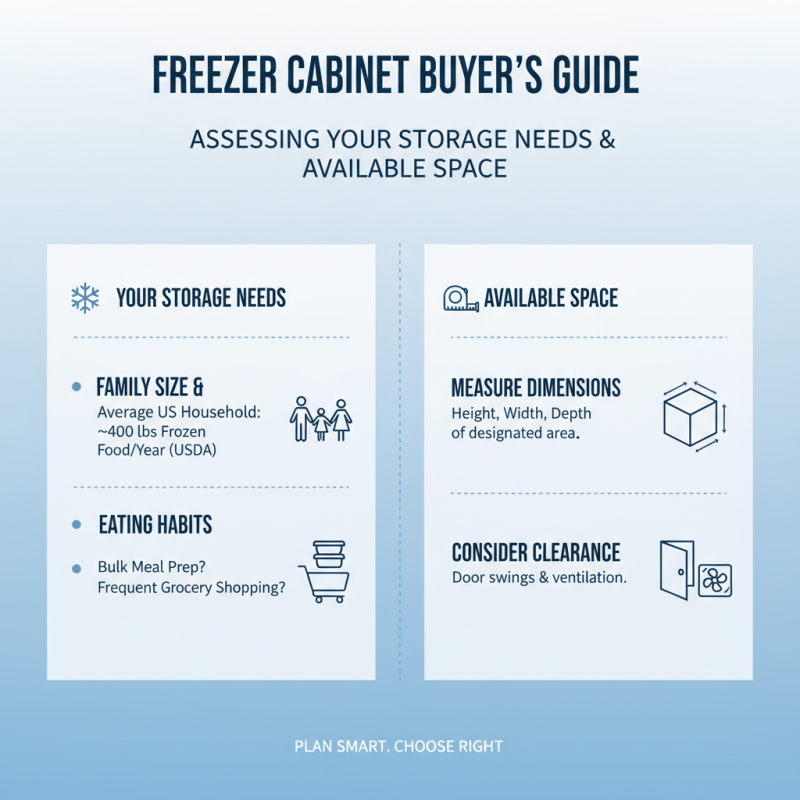
When choosing freezer cabinets, understanding your storage needs is essential. The average household consumes about 400 pounds of frozen food annually, according to the USDA. It's crucial to assess how much frozen food your family typically maintains. Consider whether you prepare meals in bulk or buy groceries regularly.
Evaluate the available space in your kitchen or garage. Freezer cabinets come in various sizes and configurations. A chest freezer typically requires more floor space but offers better energy efficiency. Upright models occupy less space, making them ideal for tight areas. The choice should reflect your layout and accessibility preferences.
Additionally, think about the types of items you'll store. Large families may prioritize bulk storage options, while single households might focus on smaller units. It's beneficial to measure both the area and your usual inventory to avoid purchasing a unit that doesn't meet your needs. Assessing these factors can help you make a more informed decision.
Evaluating Energy Efficiency Ratings for Freezer Cabinets
When selecting a freezer cabinet, energy efficiency is a crucial factor. According to the U.S. Department of Energy, appliances can account for up to 20% of a home’s energy use. Efficient freezers help mitigate this impact. Look for models with Energy Star certification, which indicates superior energy performance.
The energy consumption of freezers is influenced by their size and features. Reports show that larger models use more energy. It’s essential to balance your storage needs with energy expenditure. Some advanced freezer cabinets may have features like adjustable shelving or efficient insulation that can lower energy use. However, these features might come with a higher upfront cost.
Consider also that energy ratings can vary. Not all energy-efficient freezers are created equal. A freezer that uses less energy might not be the best fit for your specific needs. It’s worth doing the math. Calculate the long-term savings against the initial investment. Sometimes, a cheaper, less efficient model might lead to higher costs in energy bills. Each decision should reflect a balance of immediacy and future expenses.
Comparing Features and Specifications of Freezer Cabinets
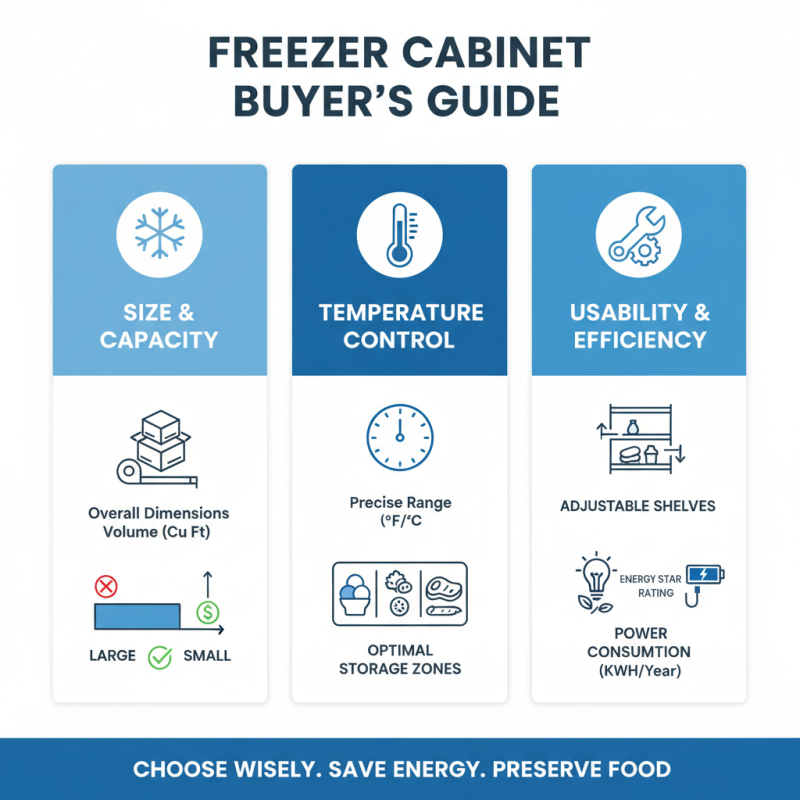
When selecting the best freezer cabinets, comparing features and specifications is crucial. Start by assessing the overall size and capacity. Larger models might seem appealing. However, they can consume more energy, leading to higher bills. Certain specifications, such as temperature range and adjustable shelves, can enhance usability. For example, some cabinets allow for precise temperature control, ensuring optimal storage conditions for different food items.
Consider the materials used in construction. Sturdy materials can improve durability over time. Look for easy-to-clean surfaces, as this can save you time. Noise levels are also important. Some freezers can operate quietly, while others may be disruptive in a home setting. Energy efficiency ratings should be examined carefully. A higher rating could mean long-term savings, but it often comes at a premium price initially.
Pay attention to any additional features. Some cabinets come with integrated locks, offering extra security. Others might include LED lighting for better visibility. However, these features often increase the final cost. Evaluate your needs and whether these options are genuinely beneficial. Remember to read reviews and real user experiences, as they can provide insights into the reliability of the models you are considering.
Budget Considerations When Choosing Freezer Cabinets
When selecting freezer cabinets, budget plays a critical role. You need to assess both upfront and long-term costs. High-quality models might require a higher initial investment. However, they can be more energy-efficient, saving you money over time. Cheaper options often have higher operating costs. They may consume more energy, which adds to monthly bills.
Consider the size and capacity you need. Larger freezer cabinets could offer better value for more storage. But think about your space limitations too. A bigger model might not fit in your kitchen or storage area. This requires careful measurement and planning. Prices vary significantly based on size and features, so compare before you buy.
Look out for sales, but don’t rush. Some deals may seem tempting but lead to regret later. Research user reviews to gauge reliability. Not every low-price model is a bargain. Weigh the pros and cons of your choices. Balancing quality and cost is essential for satisfaction in the long run.