Choosing an Electric Barbecue Grill for international use involves more than comparing wattage and cooking surface size. Buyers must examine performance, safety, durability, and after-sales support together. A grill that works well in a showroom may disappoint on a windy balcony or crowded patio.
This guide presents ten practical buying tips for global buyers. It considers voltage compatibility, plug standards, temperature control, heating consistency, and energy consumption. Materials also matter. Stainless steel resists corrosion, while poorly finished coatings can peel after repeated heating. Removable plates and accessible grease trays make cleaning easier, especially after cooking oily foods.
Independent reviews, product manuals, certification details, and supplier records deserve careful attention. Ask whether test reports match the exact model, not a similar product. Check warranty coverage, replacement parts, packaging strength, and delivery conditions before payment. Small details can become expensive problems.
Do not trust attractive photos alone. Look closely.
Real cooking conditions reveal weaknesses. A compact grill may suit an apartment, but limited airflow can affect heat recovery. A powerful model may cook faster, yet consume more electricity and require stronger circuit protection. Some specifications remain unclear, and that uncertainty should be acknowledged rather than ignored. Regional standards also vary, so local verification remains essential. These tips help buyers compare evidence, question convenient claims, and choose an Electric Barbecue Grill that fits their cooking habits, location, and long-term expectations.
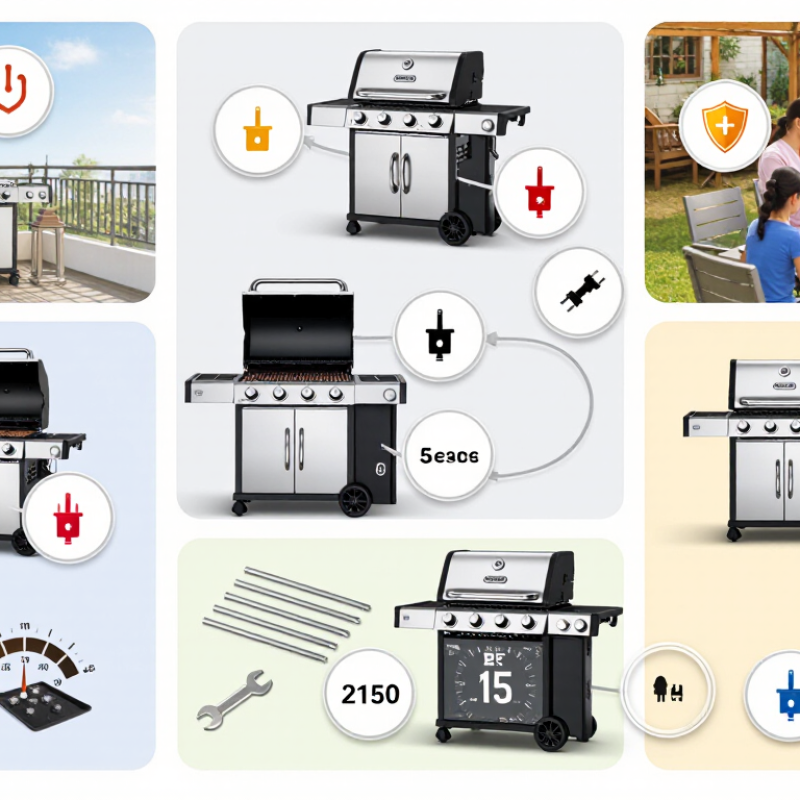
Before choosing an electric barbecue grill, define how and where customers will use it. A balcony cook may need a compact model with low smoke output and easy storage. A family venue may require a wider cooking plate, stable heat control, and removable parts. Ask practical questions: How many portions are typical? Is cooking daily or seasonal? Will users grill vegetables, thin meat, or thicker cuts?
Target market conditions matter just as much. Check the destination’s voltage, frequency, plug design, and required product documentation. A grill designed for one electrical system may perform poorly elsewhere. Outdoor users may also expect weather-resistant construction, but water resistance should never be assumed from marketing language. Examine the stated protection rating and user instructions. Local rules can differ.
Testing should include heat recovery after food is placed on the surface. A grill that reaches a high temperature quickly may still cook unevenly. Measure surface temperature in several areas, not just near the heating element. Small details matter. Cool-touch handles, grease drainage, stable feet, and accessible cleaning parts can affect repeat purchases. It is easy to overvalue wattage. Higher power is not automatically better, especially where household circuits are limited. A useful buying plan leaves room for doubt, because real users may cook differently from the original product brief.
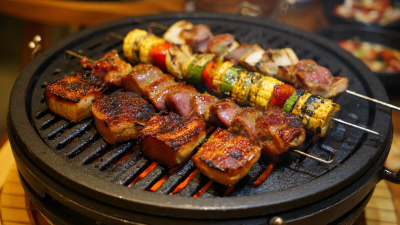
When comparing electric barbecue grills, measure the usable cooking surface, not the outer frame. A compact grill may fit a balcony table but cook only two steaks comfortably. For four diners, look for roughly 1,200 to 1,600 square centimeters of grate space, depending on food size. Check whether the lid reduces vertical room. Thick chicken pieces need clearance. I once underestimated this detail, and crowded food steamed instead of browning.
Cooking capacity also depends on heat recovery. Read the rated power and temperature range, but do not treat wattage as the whole answer. A 1,800-watt unit can struggle after cold meat covers its grate. Removable plates make batch cooking easier, while a narrow drip channel reduces grease pooling. Check the distance between the heating element and food. Too close can scorch vegetables; too far may produce pale results. Capacity claims deserve a second look.
For global buyers, portability involves more than low weight. Measure folded dimensions against luggage, shelves, or a small outdoor cabinet. Handles should stay cool, and the cord should store securely without sharp bending. A grill under eight kilograms is easier to carry, but a heavier steel body may remain steadier on a windy patio. Confirm local voltage compatibility before purchase; an adapter may not solve power differences. Wheels sound useful, yet small wheels can catch on uneven paving. Test the locking mechanism if possible.
| No. | Buying Tip | Specification to Check | Practical Benchmark | Why It Matters | Global Buyer Note |
|---|---|---|---|---|---|
| 1 | Match the Grill Size to the User Group | Usable cooking surface area | About 800–1,200 cm² for 2–4 people; 1,500–2,000 cm² for 5–8 people | A larger surface cooks more food at once, but increases storage space, weight, and energy use. | Confirm whether the listed area is the actual cooking surface or the total product footprint. |
| 2 | Check Cooking Capacity | Number of servings and food types per batch | Allow approximately 200–300 cm² of cooking area per person for mixed foods | Meat, vegetables, and bread require spacing for even heating and easier turning. | Ask for a capacity estimate based on typical portions, not only the maximum number of items. |
| 3 | Evaluate Heating Power | Rated electrical input in watts | Approximately 1,200–2,200 W for household tabletop grills | Higher input power generally supports faster preheating and better heat recovery after food is added. | Check compatibility with the destination country’s circuit capacity and plug requirements. |
| 4 | Confirm Voltage and Frequency | Rated voltage, frequency, plug, and cable specification | Common supply systems include 100–127 V or 220–240 V; frequency is commonly 50 or 60 Hz | Incorrect electrical ratings can cause poor performance, overheating, or safety risks. | Specify the exact destination market before ordering; plug adapters do not convert voltage. |
| 5 | Prioritize Portability | Product weight, handles, cord storage, and folding design | About 3–8 kg for compact tabletop models; larger units may exceed 10 kg | Lower weight and integrated carrying features make transport and seasonal storage easier. | Check packed dimensions and carton weight for shipping, retail shelving, and last-mile delivery. |
| 6 | Compare Temperature Control | Adjustable thermostat, temperature range, and control accuracy | A useful household range is roughly 100–230°C, depending on the design | Low heat suits delicate foods, while higher heat supports browning and searing. | Review temperature markings, control response, and whether settings are in Celsius or Fahrenheit. |
| 7 | Inspect the Cooking Surface | Material, coating, ridges, flat zones, and removable parts | Cast metal, stainless steel, or coated aluminum surfaces are common; removable plates simplify cleaning | Surface design affects heat retention, food release, browning, and maintenance. | Request coating-care instructions and verify whether parts are dishwasher-safe. |
| 8 | Check Grease Management | Drip tray size, drainage design, and removable grease collector | A removable tray holding approximately 150–400 ml is practical for many tabletop models | Good grease control reduces smoke, mess, and cleaning time during repeated cooking. | Confirm that the tray is stable, easy to remove, and sized for the intended food quantity. |
| 9 | Review Safety Features | Cool-touch handles, non-slip feet, overheat protection, and indicator lights | Look for stable feet, insulated touch points, and automatic thermal protection | These features help reduce burns, movement, and damage caused by abnormal heating. | Check applicable electrical and product-safety compliance requirements for the target market. |
| 10 | Calculate Total Ownership Cost | Energy use, replacement parts, warranty, packaging, and cleaning requirements | A 1,800 W grill uses 1.8 kWh for one hour at full rated power; actual use varies with cycling | Purchase price alone does not show long-term value or operating expense. | Estimate electricity cost using the destination market’s tariff and confirm spare-part availability. |
When comparing electric barbecue grills, start with the power rating in watts, not the advertised cooking speed. A 1,500-watt grill usually draws more current than a 1,000-watt model at the same voltage. Higher wattage can heat thick plates faster, but it may overload a small household circuit. Check the product label, manual, and seller’s technical sheet. Do not guess. The input range should state something like 220–240 V, 50 Hz, or 100–120 V, 60 Hz.
Voltage compatibility matters more than plug shape. A matching plug can still connect a grill to the wrong voltage and damage its heating element. Use the destination country’s socket standard and confirm whether the appliance is single-voltage or dual-voltage. Dual-voltage equipment may accept 100–240 V, but only when the manufacturer explicitly says so. Frequency also deserves attention, especially if the grill uses electronic controls or a timer.
A simple adapter changes the pin shape; it does not convert voltage. Keep this distinction clear.
Before ordering, calculate the available circuit capacity. At 230 V, a 1,800-watt grill draws about 7.8 amps, excluding startup variation. At 120 V, the same grill draws about 15 amps. That difference affects extension-cord choice and safe outlet use. Choose a grounded plug where required, and verify local certification requirements through an official electrical authority. I would also measure the counter space beside the socket, because short cords create awkward setups. My earlier assumption was that more watts always meant better grilling; it does not. Heat control, plate recovery, and stable voltage can matter more.
Global buyers should examine temperature control before admiring cooking power or exterior design. An adjustable thermostat should respond steadily, without sudden heating or long recovery delays. Test whether the dial offers useful low heat for vegetables and gentle high heat for searing. Digital displays look precise, but actual grate temperatures can differ. Read independent test data when available, and question impressive claims without measurement details. Small details matter.
Tips: Choose a model with insulated handles, stable feet, and clearly marked controls. Confirm the rated voltage, plug type, and local electrical safety requirements before purchase. Look for overload protection, grounded construction, and a power cord that stays away from hot surfaces. Never treat an outdoor-rated appliance as automatically safe in rain. That assumption can be costly.
Cleaning affects both hygiene and long-term performance. Prefer removable plates or trays with smooth, accessible surfaces. Grease trapped around hinges and heating elements becomes difficult after repeated cooking. Check whether parts are dishwasher-safe, but verify the instructions rather than guessing. After use, unplug the grill, let it cool, and wipe residue before it hardens. A practical inspection is revealing: imagine cleaning it beside a crowded sink. If the drip tray feels awkward to remove, daily maintenance may soon be skipped. I have made that mistake. Ease of cleaning is not cosmetic; it supports safer, more consistent cooking.
When sourcing an electric barbecue grill, inspect every material that touches heat or food. Stainless steel should resist corrosion, while cooking plates need stable, food-contact surfaces. Ask for the material grade, coating details, and temperature limits. Do not rely on attractive photos. A thin lid may lose heat quickly and raise energy use. I once underestimated handle insulation during a sample review. That mistake still matters.
Request certification documents that match the destination market, voltage, plug type, and product model. A general laboratory report may not replace required electrical or safety certification. Check the report number, testing laboratory, issue date, and listed model. Certifications are not decoration. They affect customs clearance and retailer acceptance. Local requirements can change, so confirm them with an independent compliance professional before ordering.
Warranty terms need practical details. Ask who pays return freight, where repairs occur, and how replacement parts are supplied. A twelve-month warranty sounds useful, but overseas shipping can erase its value. Calculate the full import cost before comparing supplier prices. Include product cost, packaging, inspection, inland transport, ocean or air freight, insurance, duties, taxes, customs brokerage, port storage, and delivery. A small order may face high per-unit freight charges. Request a landed-cost estimate in writing, with the assumed Incoterm and currency. Leave room for exchange-rate changes and unexpected inspection fees. Mistakes happen here.
Review materials, certifications, warranty coverage, and total import costs before selecting an electric barbecue grill. The chart compares nominal household electricity requirements in major destination markets.
Buying note: Confirm the grill’s rated voltage and frequency before importing. Typical household supply is 120 V / 60 Hz in the United States and Canada, and 230 V / 50 Hz in the European Union, the United Kingdom, and Australia. Also check food-contact materials, heating-element safety, applicable conformity requirements such as CE or UKCA, warranty terms, replacement-part availability, customs duty, freight, insurance, and destination taxes.
Voltage and frequency values represent commonly used nominal household supplies. Always verify the exact requirements for the destination country and installation location.