What Is an Electric Barbecue Grill and How Does It Work?
An Electric Barbecue Grill cooks food with heat produced by an electrical element rather than charcoal or gas. Depending on the model, that element sits beneath a metal cooking plate or grate. A control dial or digital thermostat adjusts the heat, while a drip tray collects fat and juices. No open flame is needed. The basic setup can be compact enough for a balcony table or kitchen counter, but not every model is designed for both indoor and outdoor use.
Understanding the parts helps explain how the grill works. When switched on, the element warms the cooking surface, which transfers heat to the food. A preheated grate can sear vegetables, fish, or meat, though results vary with the grill’s power, surface, and temperature control. Some models heat unevenly, so food may need turning or repositioning. That can be annoying. Electric grilling also does not automatically recreate the smoky flavor of charcoal; some grills offer a lid or flavor features, but expectations should stay realistic. Before cooking, check the manufacturer’s instructions for placement, ventilation, cleaning, and suitable cookware. Keep the unit on a stable surface, and let it cool before handling or washing removable parts. The following sections explain common grill designs, how their heating systems operate, and what to consider when choosing and using one.
Definition and Basic Design of an Electric Barbecue Grill
An electric barbecue grill cooks food using electrical resistance rather than charcoal or gas.
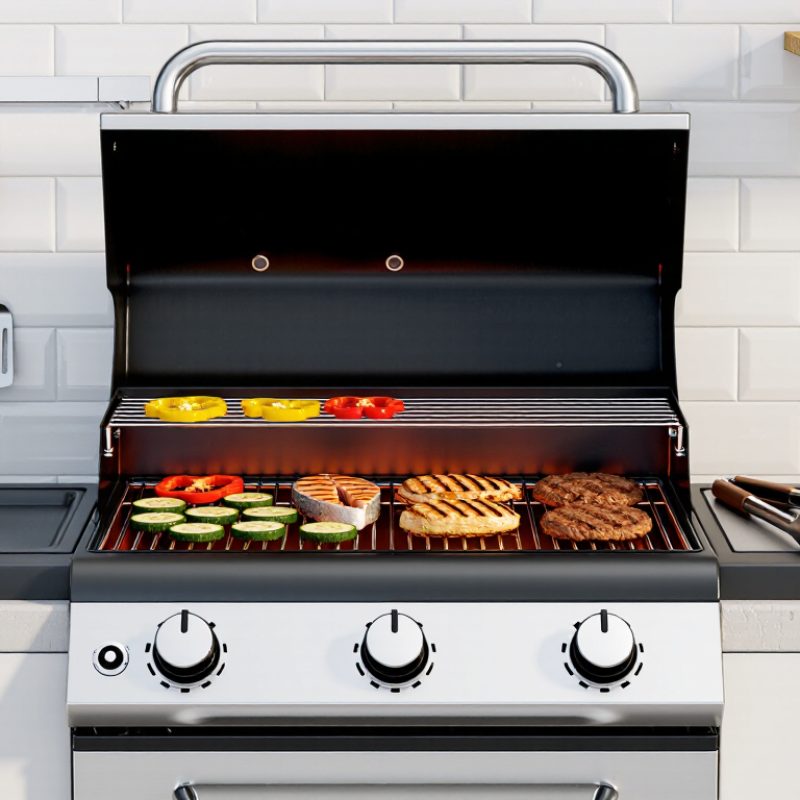
In a common design, an insulated metal heating element sits beneath a cooking grate. Current passing through the element produces heat, warming the grate and nearby air. No flame is required. The grill may be designed for a countertop or outdoor table, depending on its housing and intended use.
The basic assembly includes a frame, grate, heater, controls, and often a removable drip tray. A thermostat or adjustable dial regulates power, though temperatures can vary across the cooking surface. The center may brown food faster than the edges. Grease falls through spaces in the grate into the tray, keeping it away from the heater. Some grills use a solid plate instead, making the cooking surface behave more like a griddle.
A lid, when included, holds heat around thicker pieces of food. Open designs release more heat into the surrounding air. The housing protects electrical parts and gives the unit stability, but it can become hot during cooking. Keep the cable clear of hot surfaces and place the grill on a steady, heat-resistant surface. The design is straightforward, yet small differences in element position can change how evenly it cooks. That detail is easy to overlook.
Main Components and Their Functions
An electric barbecue grill uses an electrical heating element to warm a metal cooking grate. The element sits beneath or beside the grate, depending on the grill’s design. When switched on, it converts electrical energy into heat. A control dial adjusts the output, while a thermostat may cycle power to help maintain the selected temperature. Some grills also include an indicator light. It signals that the unit is heating, though it does not always mean the grate is ready.
The grate supports food and transfers heat to its surface. A drip tray catches grease and small food pieces, making cleanup easier and reducing flare-ups. The outer housing holds these parts in place and helps shield nearby surfaces from heat. Simple design, but each part matters. On some models, heat can be uneven near the edges; checking food in more than one spot is a useful habit.
Tips: Set the grill on a stable, heat-resistant surface with clear space around it. Preheat according to the instruction manual, then lightly oil the grate if suitable. Empty and clean the drip tray after the grill cools. Unplug before cleaning. Small detail, often missed: avoid scraping the heating element, since damage can affect how it heats. A quick look at the cord and plug before use is sensible, too.
How Electric Heating Cooks Food
An electric barbecue grill turns current into heat through a resistance element beneath or beside the cooking surface. The hot element warms the grate directly and sends infrared radiation toward the food. Air moving around the food adds convection. The balance varies by grill design, but the effect is easy to see: a steak browns where it touches the bars, while its exposed surface cooks more slowly. A grill is not a tiny oven, though.
Heat travels from the browned exterior toward the cooler center, so thickness and starting temperature matter. A thin chicken cutlet may cook quickly; a thick piece can brown outside before the middle is ready.
USDA Food Safety and Inspection Service guidance sets safe internal temperatures at 165°F for poultry, 160°F for ground meats, and 145°F for whole cuts of beef, pork, lamb, and veal, followed by a three-minute rest. Use a food thermometer in the thickest part, away from bone. Don’t rely on color alone.
Opening the lid repeatedly can also cool the cooking chamber and slow heating. I still find grill marks tempting as a doneness clue, but they only show surface contact—not whether the center has reached a safe temperature.
Common Types and Cooking Configurations
Electric barbecue grills come in several practical forms. Contact models close over food, heating both sides at once; they suit thin burgers, sandwiches, and quick weekday meals. Open grills expose one cooking surface, so cooks turn food manually. Some use a ridged plate for char marks, while flat plates handle vegetables that might slip through a grate.
Outdoor electric grills often use a lidded kettle or cart configuration, with the heating element beneath a grate. Infrared versions direct radiant heat toward the cooking surface. Most regulate temperature with a thermostat, but heat can vary across the plate. A pale strip beside a browned edge is not unusual. Not quite foolproof.
The U.S. Energy Information Administration’s 2020 Residential Energy Consumption Survey found electricity was the primary cooking fuel in roughly six in ten U.S. homes. That figure describes household cooking fuel, not electric-grill ownership; it offers useful context, not proof of grill popularity. (EIA, 2020 RECS)
When choosing a configuration, consider counter space, food thickness, and cleanup. Removable plates can simplify washing, while fixed grates may leave stubborn grease around the element. One trade-off is easy to miss: a compact indoor unit is convenient, but its cooking area may crowd a family-sized meal.
Operating and Safety Considerations
An electric barbecue grill uses a resistance element to heat a cooking plate or grate. The thermostat cycles power to maintain the selected temperature, though the surface may heat unevenly. Preheat with the lid positioned as the manual directs, then place food where it can cook without touching the element. Keep the drip tray in place; pooled fat can smoke and flare when it overheats. The easy part is switching it on. Judging when the grate is truly hot takes more care.
Set the grill on a stable, heat-resistant surface, away from walls, dry leaves, and foot traffic. Use an outdoor-rated, grounded outlet with ground-fault protection, and keep plugs and connections dry. Avoid coiled cords beneath the grill; they can trap heat. The National Fire Protection Association’s 2024 report, Home Fires Involving Grills, estimates that U.S. fire departments responded to an average of 11,600 home fires involving grills each year from 2017 to 2021. That figure covers grill types, not electric grills alone. It still supports careful placement and supervision. Never leave it unattended. Unplug the unit after cooking, once it has cooled, and clean grease from the tray before the next use. A damp cloth near a live connection is a risk worth avoiding.
Safe Minimum Internal Temperatures for Grilled Foods
How to use this chart: An electric grill heats food through electrically powered elements. Check food with a thermometer at its thickest point; grill surface settings alone cannot confirm that food is safely cooked. Whole cuts of beef, pork, and lamb should reach 145°F and rest for 3 minutes. Temperature guidance shown is from the USDA.