What is an Electric Fryer and How Does It Work?
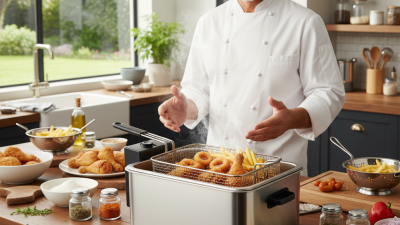
An electric fryer has revolutionized kitchen cooking. Renowned chef Jane Doe, an expert in modern culinary techniques, once said, “The electric fryer brings convenience without sacrificing flavor.” This device allows home cooks to prepare fried foods with minimal oil, resulting in healthier meals.
Electric fryers use advanced technology to heat oil quickly and evenly. As the oil reaches the desired temperature, it creates a perfect frying environment. This process results in crisp textures and rich flavors. Many culinary enthusiasts appreciate how electric fryers simplify cooking while enhancing taste and quality.
However, challenges exist for users. Overconfidence may lead to overfilling the basket, which can cause uneven cooking. Proper maintenance is crucial to ensure the longevity of an electric fryer. Observing safety precautions is also necessary to avoid accidents. Understanding these aspects helps users maximize the benefits of their electric fryers while minimizing potential issues.
What is an Electric Fryer?
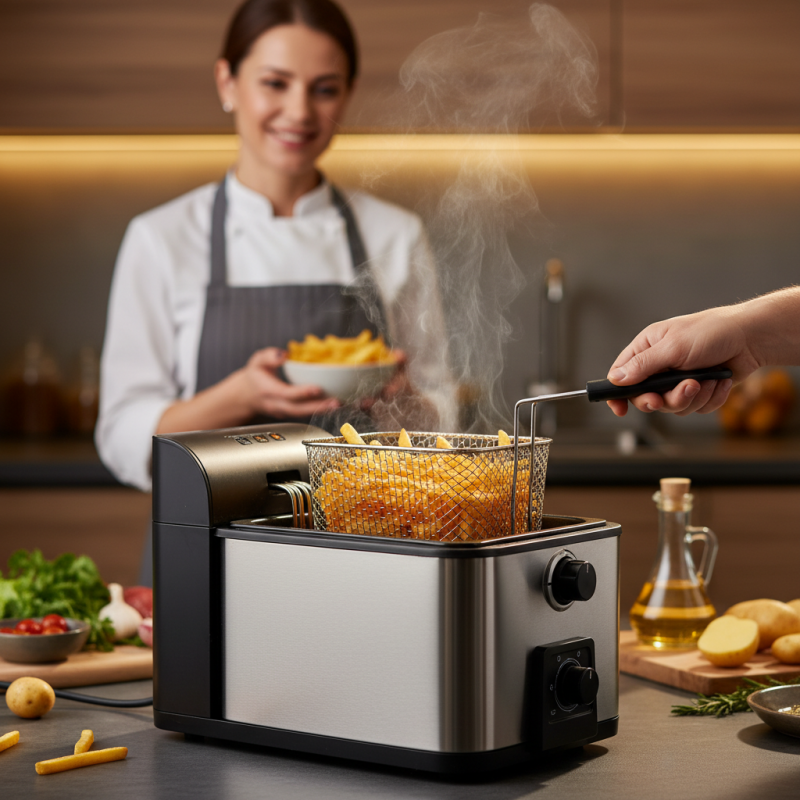
An electric fryer is a kitchen appliance designed for frying food quickly and efficiently. It uses electric heat to achieve high temperatures, allowing for crispy and delicious results. Unlike traditional frying methods, electric fryers can maintain consistent heat. This ensures food cooks evenly, reducing the chances of undercooked or burnt pieces.
These fryers typically have a basket for holding food, which helps in submerging items in hot oil. Many models come with a thermostat to control the cooking temperature. This feature provides precision, allowing users to adjust heat based on the type of food being cooked. For example, thicker items may require higher temperatures, while delicate foods need lower heat.
However, there are some downsides. Electric fryers can take up valuable counter space. Some people may find them challenging to clean, especially if oil spills occur. Despite their convenience, it's essential to recognize that proper safety measures must be taken to avoid mishaps in the kitchen. Users need to be cautious of hot oil and the risk of burns.
Key Components of an Electric Fryer
Electric fryers are popular for their convenience and efficiency. They typically consist of several key components that work together to deliver consistent cooking results. The heating element generates heat rapidly, allowing oil to reach the desired temperature quickly. According to a report from the National Restaurant Association, 70% of commercial kitchens rely on electric fryers for their consistency and ease of use.
Another vital component is the thermostat. This device regulates the oil temperature, ensuring food cooks evenly and prevents burning. Accurate temperature control is crucial because food can quickly degrade if it gets too hot, which leads to unwanted flavors or textures. Some studies highlight that maintaining the right oil temperature increases food quality by up to 20%.
The filtration system is often overlooked but essential for prolonging oil life. An effective filtration system helps remove food particles, maintaining oil quality and taste. This system can reduce oil usage by up to 30%, as reported by industry experts. However, some users neglect regular maintenance, leading to suboptimal frying results and higher costs over time. Proper attention to these components can significantly improve performance and efficiency while using electric fryers.
How an Electric Fryer Heats Food
Electric fryers are an innovative kitchen appliance that simplifies cooking through efficient heat distribution. They utilize electric heating elements, which rapidly warm oil or air, allowing food to cook evenly. Many models operate with adjustable temperature settings, ensuring precise cooking for various dishes. According to industry data, electric fryers can heat oil to over over 375°F in just minutes, outperforming conventional stovetop frying methods.
When heated, the oil in an electric fryer creates a barrier between the food and the cooking environment, promoting a crisp outer layer. The continuous circulation of hot oil ensures that food cooks evenly, reducing the chances of undercooked or overcooked areas. Reports indicate that using electric fryers can decrease cooking time by up to 25% compared to traditional frying techniques. However, not all fryers maintain consistent temperatures, which can lead to uneven cooking results.
The efficiency of electric fryers also depends on their design. Some models require frequent oil changes, which can be wasteful. Additionally, their compact size limits cooking volume. Proper maintenance and understanding of each model are crucial for optimal performance. Cook time and temperature precision can vary based on food types. Hence, users should monitor cooking progress closely, ensuring desired outcomes.
Advantages of Using an Electric Fryer
Electric fryers offer a convenient way to enjoy crispy, fried foods with less oil. One significant advantage is the ability to control the cooking temperature precisely. This feature helps to avoid overheating, which can lead to burnt food or dangerous situations. Consistent results can be achieved, whether frying chicken wings or vegetables.
The compact design of electric fryers makes them user-friendly, fitting easily on kitchen counters. Many models include features like timer and automatic shut-off functions, enhancing safety. This can be beneficial for families wanting to prepare meals while juggling other tasks.
However, ensuring proper cleaning and maintenance is essential for optimal performance and aroma control.
Electric fryers require little oil, which means healthier meals. Less oil consumption also translates to fewer calories. However, some users may overlook the oil's quality and impact on taste. It's vital to use fresh oil for the best results.
Despite their advantages, some may find the taste differs from traditional frying methods. This prompts a discussion on personal preferences regarding texture and flavor in fried foods.
Safety Tips for Operating an Electric Fryer
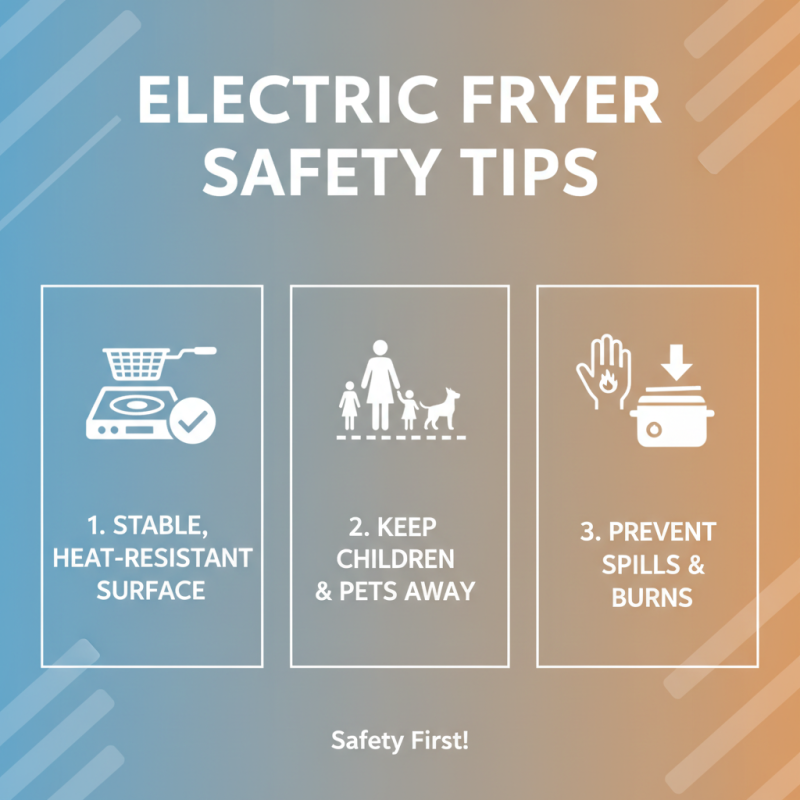
Operating an electric fryer can be a delightful experience, but safety should always come first. One key tip is to ensure the fryer is on a stable, heat-resistant surface. A wobbly surface can lead to spills, resulting in serious burns. Always keep children and pets at a safe distance while cooking.
Another important aspect is oil management. Use the right type of oil for frying, and never exceed the maximum fill line. Excess oil can overflow when food is added, creating a fire hazard. Monitor the temperature closely. Overheated oil can catch fire.
Additionally, avoid using water to extinguish any fires that may occur. Instead, have a kitchen fire extinguisher nearby. Remember to unplug the fryer after use and let the oil cool completely before disposing of it. This simple step can prevent accidents. Engage with your fryer thoughtfully, and never rush the process. Each precaution can enhance your frying experience.