10 Essential Tips for Efficient Use of Your Automatic Dishwasher
With the increasing demands of modern lifestyles, the Automatic Dishwasher has become an indispensable appliance in many households. According to the 2022 Kitchen Appliance Market Report, the global dishwasher market was valued at over $12 billion and is expected to grow significantly in the coming years, driven by technological advancements and the rising preference for energy-efficient appliances. Expert analyst Dr. Emily Thornton emphasizes the significance of this shift, stating, "The Automatic Dishwasher not only saves time but also enhances sustainability in our homes by reducing water usage and energy consumption."
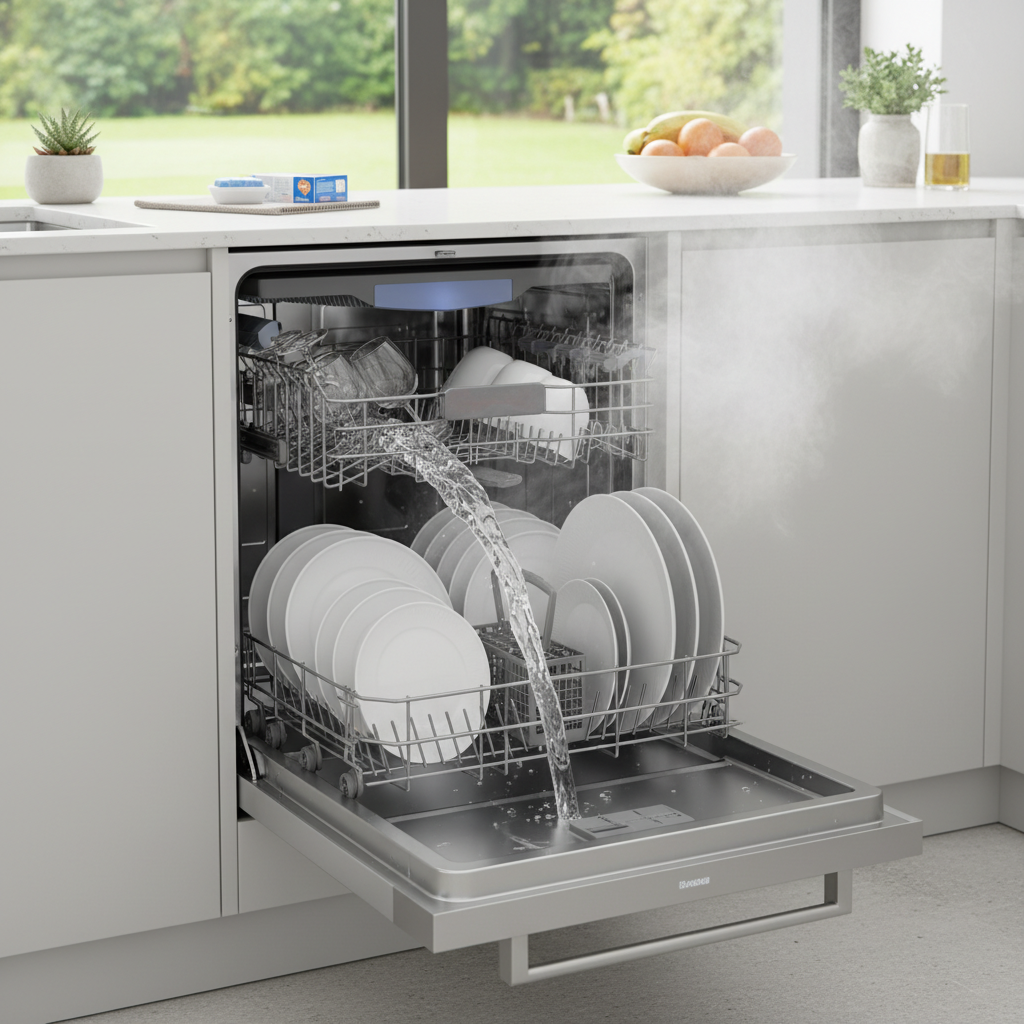
Despite the growing popularity of the Automatic Dishwasher, many users may not be aware of the best practices to maximize its efficiency. The way we load, select cycles, and maintain these machines can considerably affect their performance and longevity. A study by the International Association of Kitchen and Bath Designers found that improper use can lead to a 25% decrease in cleaning efficiency, which underlines the necessity of understanding essential tips for effective operation. This guide will provide you with ten crucial strategies to ensure you are getting the most out of your Automatic Dishwasher, making your cleaning routine both efficient and environmentally friendly.
Understanding Your Dishwasher's Features for Optimal Use
Understanding your dishwasher's features is crucial for maximizing its efficiency and extending its lifespan. Modern automatic dishwashers come equipped with a variety of settings and functions designed to enhance the cleaning process. For instance, knowing the difference between normal and heavy-duty cycles can help you choose the right option based on the load. Use the eco mode when possible for light cleaning, as it conserves energy and water while still delivering satisfactory results.
Additionally, understanding the layout of your dishwasher is key to achieving optimal cleaning. Arrange dishes according to the manufacturer’s recommendations, placing larger items on the bottom rack and delicate glassware on the top. Utilizing the correct detergent and rinse aid will also ensure that your dishes come out sparkling clean. Familiarize yourself with features like delay start, sanitizing options, and adjustable racks, as these can greatly enhance your dishwashing experience and improve overall efficiency.
Proper Loading Techniques to Maximize Washing Efficiency
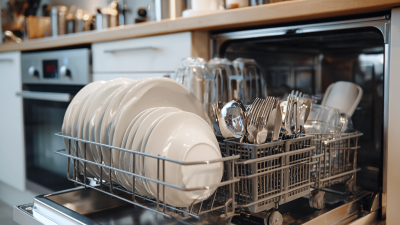
To maximize the washing efficiency of your automatic dishwasher, proper loading techniques are crucial. Start by grouping similar items together. Place plates and large items on the bottom rack facing the center. This orientation ensures they receive optimal water pressure. Avoid overcrowding the rack; leaving adequate space allows water and detergent to circulate freely, enhancing the cleaning process. Additionally, make sure that any large bowls or pots do not block the spray arms, as this can lead to poorly washed items.
On the top rack, which is designed for smaller and more delicate items, arrange cups, glasses, and small bowls with openings facing downwards. This positioning prevents water from collecting inside and ensures thorough cleaning. Use the utensil basket wisely, placing forks and knives with handles down to prevent injuries. For extra efficiency, load utensils in a way that prevents them from nesting together, allowing water to reach all surfaces. By following these loading techniques, you can significantly improve your dishwasher's performance, ensuring your dishes come out sparkling every time.
Choosing the Right Detergents for Cleaner Dishes
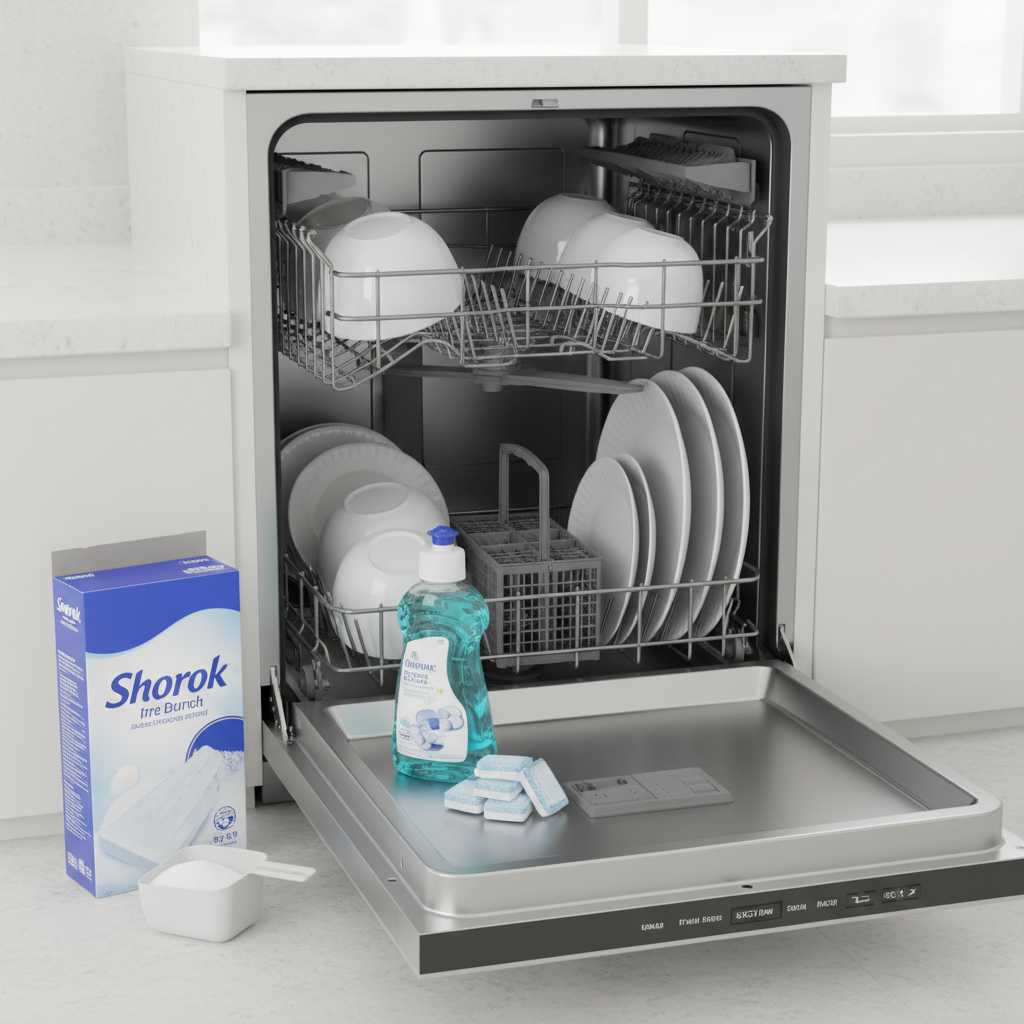
When it comes to achieving spotless dishes from your automatic dishwasher, choosing the
right detergent is crucial. There are various types of detergents available, including
powder, gel,
and tablet forms, each with its own advantages.
For instance, powder detergents tend to be cost-effective and allow for easy measurement, while
tablets offer convenience and often come with built-in rinsing agents.
It's essential to consider your particular needs and dishwasher model when selecting the detergent
that will work best for you.
Moreover, don't overlook the importance of the detergent's ingredients. Look for products that
are phosphate-free and environmentally friendly,
as these options are gentler on both your dishes and the planet. Be mindful of the hardness of your water,
as this can affect detergent performance; in hard water areas, you may need a specially formulated
detergent to prevent mineral buildup on your dishes. Lastly, always follow the manufacturer's
recommendations regarding the quantity of detergent to use, as too much can lead to residue, while
too little may not clean effectively.
Regular Maintenance Tips to Extend Dishwasher Life
To extend the life of your automatic dishwasher, regular maintenance is key. Start by cleaning the filter frequently, as food particles can accumulate and lead to clogs which affect performance. Wipe down the door seals to ensure a tight closure, preventing leaks that can cause further damage. Additionally, consider inspecting the spray arms for blockages; ensuring they can rotate freely will improve cleaning efficiency.
Another important tip is to run your dishwasher on a cleaning cycle with a dishwasher cleaner, or a mixture of vinegar and baking soda, to eliminate grease and limescale buildup. This not only enhances performance but also prevents unpleasant odors. Lastly, pay attention to how you load your dishwasher; avoid overcrowding to facilitate proper water flow and ensure dishes are thoroughly cleaned. By implementing these maintenance strategies, you can help your dishwasher not only last longer but also maintain its efficiency throughout its lifespan.
10 Essential Tips for Efficient Use of Your Automatic Dishwasher
| Tip Number |
Tip Description |
Expected Outcome |
| 1 |
Run full loads whenever possible |
Saves water and energy |
| 2 |
Use the appropriate wash cycle |
Improved cleaning efficiency |
| 3 |
Regularly clean the filter |
Enhanced performance |
| 4 |
Avoid overloading the dishwasher |
Better cleaning results |
| 5 |
Use high-quality detergent |
Higher cleaning effectiveness |
| 6 |
Check spray arms for clogs |
Ensures thorough cleaning |
| 7 |
Use rinse aid |
Improves drying performance |
| 8 |
Run maintenance cycles |
Prevents buildup of residue |
| 9 |
Check water hardness |
Optimizes detergent usage |
| 10 |
Inspect door seals |
Prevents leaks |
Common Mistakes to Avoid for Better Performance
When it comes to maximizing the efficiency of your automatic dishwasher, avoiding common mistakes can significantly enhance its performance. According to a 2022 report by the American Cleaning Institute, approximately 45% of consumers make the error of overcrowding their dishwashers. This practice not only hampers water circulation but also prevents proper cleaning, leaving food residues on dishes. To ensure optimal cleaning, it’s essential to give items enough space for water and detergent to reach all surfaces.
Another prevalent mistake is using the wrong detergent type. The Consumer Reports survey in 2021 revealed that 30% of users do not pay attention to the recommended detergent settings for their specific machines. Excessive detergent can lead to soap scum buildup and reduced efficiency, while using insufficient amounts can result in poorly cleaned dishes. By choosing the right detergent and adhering to the manufacturer’s guidelines, users can avoid these pitfalls and enjoy consistently clean results.
10 Essential Tips for Efficient Use of Your Automatic Dishwasher
The following bar chart illustrates the common mistakes people make when using automatic dishwashers, alongside recommendations for improved performance.