What is a Freezer Cabinet and How to Choose the Best One for Your Needs
In the world of commercial refrigeration, selecting the right freezer cabinets is crucial for any business that relies on preserving perishable goods. According to industry expert Dr. Emily Carter, a noted authority on refrigeration technology, "The efficiency and reliability of freezer cabinets can significantly impact both a business’s operational costs and the quality of its products." With a myriad of options available, it can be overwhelming for retailers and restaurateurs to determine which freezer cabinets best suit their specific needs.
Freezer cabinets come in various sizes, designs, and functionalities, tailored to meet diverse storage requirements. Whether you operate a small café or a large supermarket, understanding the features and benefits of different freezer cabinets is essential for making an informed purchase decision. In this article, we will explore important factors to consider when choosing freezer cabinets, including energy efficiency, storage capacity, and temperature control options. By arming yourself with this knowledge, you can ensure that your investment not only enhances your operational efficiency but also elevates the overall quality of your offerings.
What is a Freezer Cabinet and Its Role in Home and Commercial Settings
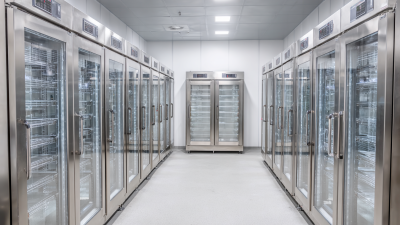
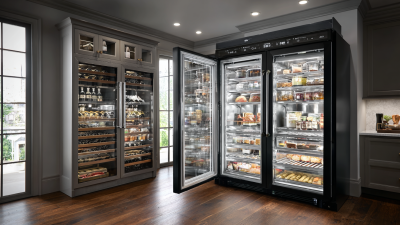
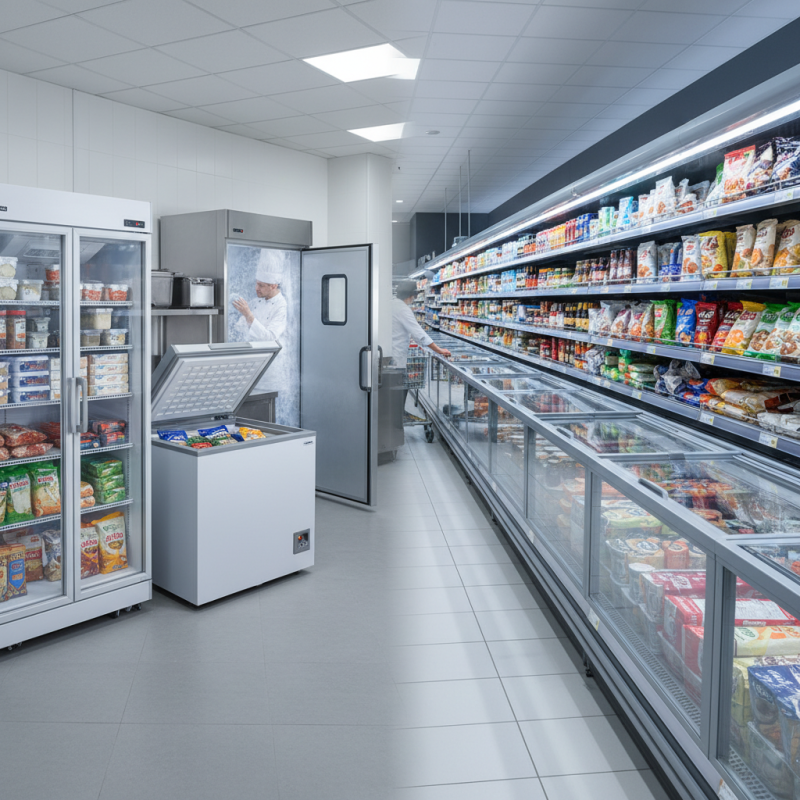
A freezer cabinet is an essential appliance designed to store food at extremely low temperatures, ensuring longer preservation of perishable items. In both home and commercial settings, these cabinets play a vital role in maintaining the quality and safety of frozen goods. In residential kitchens, a freezer cabinet allows families to stock up on bulk purchases and prepare meals in advance, reducing food waste and saving money. In commercial environments, such as restaurants or grocery stores, they are crucial for managing inventory, ensuring that food stays fresh for customer satisfaction.
When choosing a freezer cabinet, consider the space you have available and the volume of food you need to store. Look for energy-efficient models that can save you money on electricity bills over time. Additionally, pay attention to features like temperature controls, shelving options, and defrosting capabilities, as these can greatly impact convenience and functionality.
**Tips:** Always measure the area where you intend to place the freezer cabinet to ensure it fits appropriately. It’s also wise to review energy ratings to select models that consume less power, contributing to both environmental sustainability and reduced operational costs. Finally, think about the layout of your storage; adjustable shelving can provide flexibility for different types of food items, making organization easier.
What is a Freezer Cabinet and How to Choose the Best One for Your Needs
| Feature |
Description |
Ideal Use Case |
| Capacity |
Measured in cubic feet; determines how much food can be stored. |
Home kitchens requiring bulk storage or commercial use. |
| Temperature Control |
Adjustable temperature settings for different types of food. |
Food storage that requires specific temperature needs. |
| Energy Efficiency |
Rated by Energy Star; affects electricity bills. |
Frequent use in homes or businesses to minimize costs. |
| Type |
Chest freezers vs upright freezers; different organization styles. |
Homes with limited space or commercial kitchens. |
| Build Quality |
Material and insulation quality; affects durability. |
Long-term investment for both home and commercial use. |
| Price Range |
Varies widely based on features, size, and brand. |
Budget planning for households or businesses. |
| Warranty |
Manufacturer’s warranty period; indicates reliability. |
Peace of mind for heavy usage in commercial settings. |
Key Features and Specifications to Consider When Selecting a Freezer Cabinet
When selecting a freezer cabinet, several key features and specifications should be considered to ensure it meets your specific needs. A primary consideration is the capacity; freezer cabinets vary widely ranging from compact models with a few cubic feet to larger units offering upwards of 30 cubic feet. According to the American Council for an Energy-Efficient Economy (ACEEE), it’s essential to match the size of the freezer to your storage requirements, with typical recommendations suggesting an average of about 1.5 cubic feet per person in a household.
Energy efficiency is another critical factor to consider. The U.S. Department of Energy reports that freezer cabinets represent a significant portion of household energy consumption, making energy-efficient models a cost-effective choice over time. Look for units with the ENERGY STAR label, which indicates compliance with energy efficiency guidelines. Additionally, consider the insulation quality and cooling technology; better insulation can result in lower energy costs and improved temperature retention.
Finally, examine the design features such as shelving configuration, accessibility, and temperature control options. Many models now come with adjustable shelving, which provides flexibility depending on the type of food stored. Temperature control features, including digital thermostats or built-in alarms, enhance convenience and food safety. According to industry reports, consumers are increasingly prioritizing these advanced features, which not only improve usability but also contribute to the longevity and reliability of the freezer cabinet.
Freezer Cabinet Capacity Comparison
This chart illustrates the internal storage capacity of various freezer cabinets measured in liters. It helps compare how much storage space is available in different models, aiding in selecting the best freezer cabinet for your needs.
Energy Efficiency Ratings: Understanding the Energy Consumption of Freezer Cabinets
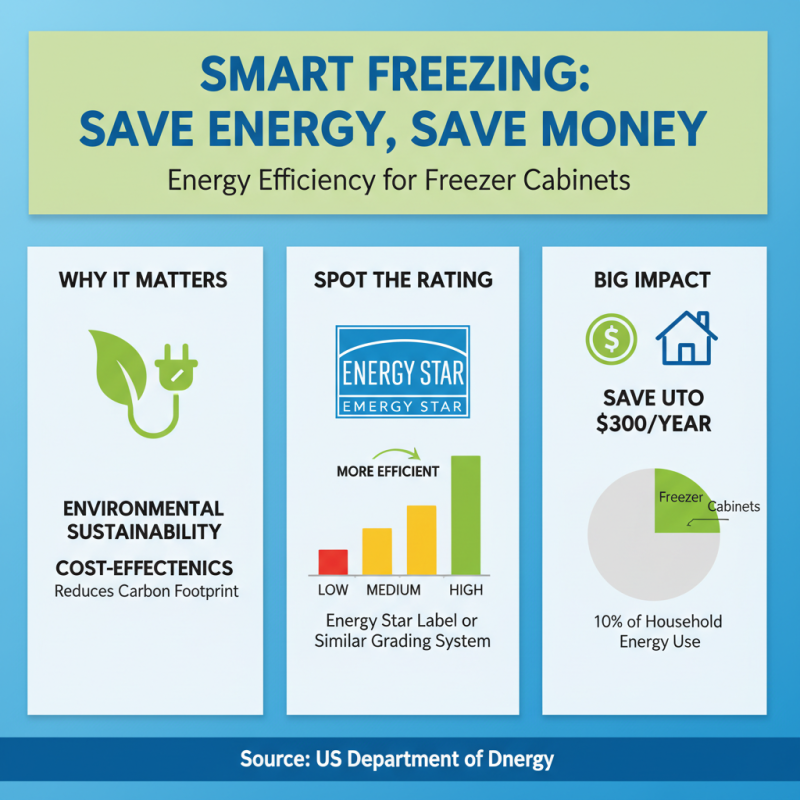
When selecting a freezer cabinet, understanding energy efficiency ratings is crucial for both environmental sustainability and cost-effectiveness. Energy efficiency ratings, typically indicated by the Energy Star label or a similar grading system, help consumers evaluate the energy consumption of freezer cabinets. According to the U.S. Department of Energy, appliances that meet stringent energy efficiency criteria can save household owners approximately $300 a year on energy bills. This impact is especially significant considering that freezer cabinets can account for around 10% of the total household energy use.
When choosing a freezer cabinet, it's important to look for models with high energy efficiency ratings. For instance, freezers that have an Energy Star certification use about 10% less energy than standard models. In a report from the American Council for an Energy-Efficient Economy (ACEEE), it was revealed that opting for an energy-efficient freezer model could reduce greenhouse gas emissions by over 200 pounds annually. Furthermore, advancements in insulation technology and compressor design have made newer models considerably more efficient than older ones, reducing both energy consumption and operational costs. Therefore, making an informed choice about energy efficiency not only contributes to lower utility bills but also supports broader environmental goals.
Comparing Storage Capacities: Choosing the Right Size for Your Needs
When selecting a freezer cabinet, understanding storage capacities is crucial to meet your specific needs. A study by the American Council for an Energy-Efficient Economy (ACEEE) indicates that household freezers generally range from 5 to 30 cubic feet, with most mid-sized options offering around 15 cubic feet of storage. This range is adequate for families or individuals aiming to store bulk items such as meats, vegetables, and prepared meals. It is important to consider your typical storage habits, as an oversized freezer can lead to unnecessary energy consumption, while a smaller one may not suffice for your needs.
Additionally, a report from the U.S. Department of Energy suggests that the average household can benefit from a freezer capacity of approximately 1.5 to 2 cubic feet per person. Thus, for a family of four, a freezer with a minimum capacity of 6 to 8 cubic feet is recommended. Keep in mind that specialized compartments, such as separate drawers or bins, can enhance organization and accessibility, which is particularly important if you plan to store a diverse array of items. Ultimately, choosing the right freezer cabinet size involves considering both your household size and your food storage preferences to maintain an efficient and practical setup.
Top Brands and Models: Industry Insights on the Best Freezer Cabinets Available
When selecting a freezer cabinet, it's crucial to consider top brands and models that have earned industry recognition for their reliability and efficiency. According to a recent market analysis report by the International Refrigeration and Air Conditioning Conference, the global market for freezer cabinets is expected to grow by 6.2% annually, highlighting the increasing demand for high-quality refrigeration solutions. This growth drives manufacturers to innovate, ensuring that consumers have access to cutting-edge technology that offers superior insulation and energy efficiency.
Leading brands often feature high-capacity units equipped with advanced temperature control systems, which have been shown to maintain optimal storage conditions more effectively. A study by the Food and Drug Administration emphasizes the importance of consistent temperature management in preventing food spoilage, where even fluctuations of a few degrees can compromise safety. The report also highlights energy efficiency ratings, indicating that models with an Energy Star certification can save up to 30% in energy costs compared to standard models. As consumers prioritize sustainability in their purchasing decisions, choosing freezer cabinets that meet these energy standards will not only benefit their wallets but also contribute to a greener environment.