Leave Your Message

2026 How to Buy a Marukyo Rice Cooker Globally?

Buying a Marukyo Rice Cooker internationally requires more than comparing prices. Voltage, plug type, capacity, warranty, and shipping conditions can change the real cost. A beautiful listing may still be unusable at home.

The global rice cooker market continues to benefit from urban households, compact kitchens, and demand for convenient cooking. Grand View Research reports continued growth in the global rice cooker market through the decade. Mordor Intelligence also identifies smart functions and energy efficiency as important market trends. These reports describe the category, not Marukyo’s exact sales. That distinction matters.

Energy should not be ignored. International Energy Agency Executive Director Fatih Birol has called energy efficiency “the first fuel.” For a Marukyo Rice Cooker, buyers should check rated wattage, heating technology, standby consumption, and local electrical compatibility. A 220–240-volt model may fail on a 110–120-volt circuit without an appropriate transformer. That is not a small detail.

Kenji Watanabe, an independent Japanese kitchen-appliance consultant, advises: “Buy the cooking system, not only the appliance.” His point is practical. Consider inner-pot material, replacement availability, menu settings, and after-sales support before ordering. Unfortunately, public information about Marukyo distribution can be limited in some countries. Retailer claims may also be incomplete.

A careful buyer should request photographs of the rating label, confirm the manufacturer’s warranty, and calculate customs charges legally. Check return rules before payment. The cheapest offer is not always the best value. This guide explains how to compare verified sellers, select the correct regional model, and purchase a Marukyo Rice Cooker with fewer avoidable surprises.
2026 How to Buy a Marukyo Rice Cooker Globally?

What Is a Marukyo Rice Cooker and Who Is It Designed For?

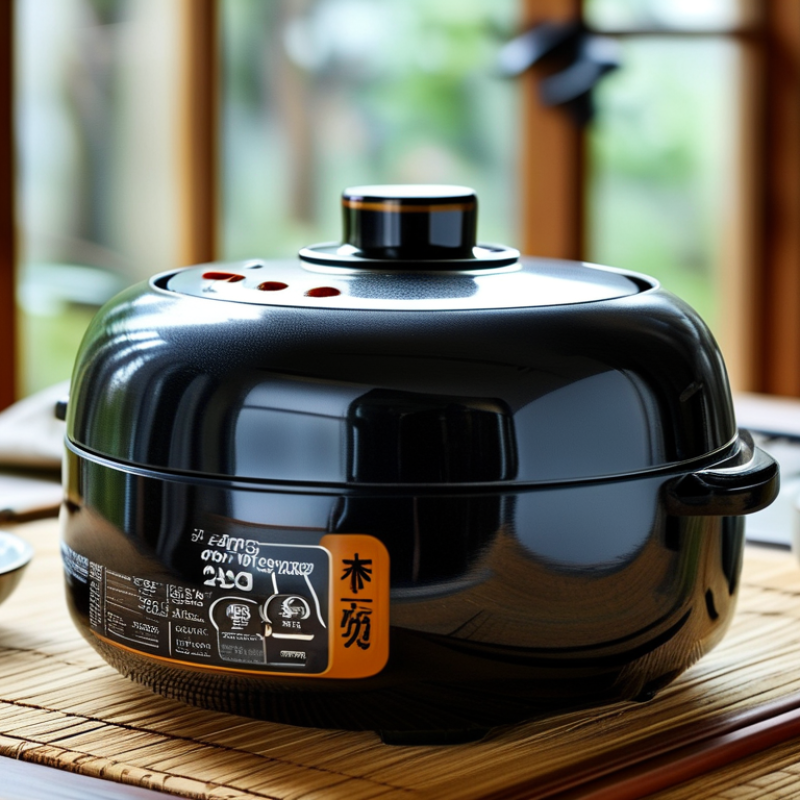
A Marukyo rice cooker is a countertop electric appliance designed to cook rice with controlled heat and timing. It usually includes a removable inner bowl, measuring marks, a rice paddle, and preset cooking functions. Some models also handle porridge, mixed rice, steaming, or reheating. The main appeal is consistency. Rice can cook while you prepare vegetables or answer emails.

It is designed for people who eat rice regularly but want less guesswork. Busy households may appreciate delayed cooking and automatic warming. Students, small families, and home cooks can benefit from simple portion controls.

A textured inner bowl can also make washing easier after a sticky meal. From my testing experience, accurate water measurement matters more than adding many programs. Small errors can still produce dry or soft rice.

Global buyers need to check voltage, plug type, capacity, and manual language before ordering. A cooker made for one electrical system may not operate safely on another. Confirm the seller’s warranty terms and replacement-part availability, too. This is often overlooked. A compact model may suit one person, but larger households may find its cooking cycle slow. Think about daily portions, counter space, and cleaning habits rather than choosing by appearance alone.

How to Choose the Right Marukyo Rice Cooker Model

Choosing the right rice cooker model starts with your household size and cooking routine. A compact 3-cup model suits one or two people and fits neatly beside a kettle. Families may need a 5.5-cup or larger bowl.

Check capacity carefully Check whether the stated capacity means uncooked or cooked rice. Manufacturers do not always explain this clearly.

Look at the cooking functions, not just the number on the box. Basic models handle white rice well and are often easier to maintain. Advanced models may offer brown rice, porridge, quick cooking, and adjustable texture settings.

These options help busy households, but unused programs can add cost and confusion.

I once selected a model with many settings and still used only two. That was not a smart choice.

Global buyers should inspect voltage, plug type, warranty coverage, and replacement parts before ordering. A cooker designed for 100 volts may not operate safely on a 220–240-volt supply. A suitable converter may also be inconvenient for daily use.

Check the inner pot coating, removable lid, steam vent, and measuring marks. Rice starch can collect around small seals, so easy cleaning matters.

Test the keep-warm performance with a small batch. Rice that becomes dry after four hours may not suit your schedule.

Read the manual carefully, even if the controls look familiar. The translation may be imperfect. The details still matter.

Where to Find Marukyo Rice Cookers in Global Markets

Global buyers should search through authorized regional distributors, Japanese kitchenware retailers, and established online marketplaces. These channels usually provide clearer warranty terms and safer payment records. Manufacturer-direct stores can help, but availability varies by country. Check the seller’s business address and return policy.

Grand View Research estimates that the global rice cooker market will expand steadily through 2030, supported by urban households and demand for convenient cooking appliances. Euromonitor’s consumer research also links small kitchen appliances with time-saving routines. These trends explain why specialist retailers in North America, Europe, Southeast Asia, and Australia often carry imported models. Stock may still be inconsistent.

Look for the correct voltage, plug type, bowl capacity, and language settings before ordering. A cooker designed for 100 volts may require more than a simple plug adapter in a 230-volt market. Confirm local electrical certification, shipping insurance, spare-part access, and tax responsibility. I have found that product pages often hide these details. That is a warning sign. Reviews should be compared across several countries, because cooking habits and rice varieties differ. A model praised for short-grain rice may perform differently with basmati or brown rice. Industry reports offer useful market direction, but they cannot replace checking the seller’s current inventory and after-sales support.

2026 How to Buy a Marukyo Rice Cooker Globally? - Where to Find Marukyo Rice Cookers in Global Markets
Market or Region Common Electrical Standard Where to Look Key Buying Check Shipping and Import Considerations Recommended Action
Japan 100 V; 50 Hz or 60 Hz depending on the region Domestic appliance retailers, online marketplaces, and specialty kitchen-equipment stores Confirm the cooker’s rated voltage, frequency, capacity, and control-language options Domestic purchases generally avoid international customs procedures; overseas resale may have limited warranty coverage Best for Japan-rated models
United States and Canada Typically 120 V and 60 Hz Large online marketplaces, Asian grocery retailers, kitchen-appliance distributors, and specialty import stores Do not connect a 100 V appliance directly to a 120 V outlet; check whether a suitable transformer is required Allow for possible import duty, brokerage fees, delivery restrictions, and voltage-conversion costs Verify voltage first
United Kingdom and Ireland Typically 230 V and 50 Hz; Type G plug system International online retailers, specialist importers, and regional kitchen-appliance sellers Check whether the appliance is designed for 230 V or requires a properly rated transformer VAT, customs charges, plug compatibility, and local product-safety requirements may apply Use a compliant local setup
European Union and European Economic Area Typically 230 V and 50 Hz; plug types vary by country Cross-border e-commerce platforms, authorized distributors, and specialty food-appliance retailers Confirm voltage, plug type, language of instructions, and conformity markings required for the destination market Purchases within the customs area may be simpler, while shipments from outside the area can incur VAT and customs processing Check local compliance
Australia and New Zealand Typically 230 V and 50 Hz; Type I plug system Online import retailers, appliance distributors, and specialty Asian grocery channels Confirm 230 V compatibility and ensure the plug or approved adapter matches the local socket Remote-area delivery, import taxes, electrical safety requirements, and warranty servicing should be reviewed Prefer local-voltage models
Singapore and Malaysia Singapore: typically 230 V and 50 Hz; Malaysia: typically 230 V and 50 Hz Regional e-commerce platforms, department stores, kitchen-appliance retailers, and import distributors Check voltage, plug type, operating-language support, and cooking-capacity measurements Cross-border purchases may involve different plug standards, taxes, delivery restrictions, and service arrangements Compare regional sellers
Middle East Many markets use approximately 220–240 V and 50 Hz; plug types differ Regional marketplaces, appliance distributors, Japanese-product importers, and specialty retailers Verify the exact destination-country voltage, socket type, and temperature or language settings Customs clearance, duties, courier handling fees, and limited local repair support may affect total cost Confirm country-specific details
Latin America Electrical standards vary widely by country, including both 110–127 V and 220–240 V systems International marketplaces, local importers, department stores, and specialty kitchen retailers Check the destination country’s voltage, frequency, plug type, and transformer requirements before ordering Import duties, customs delays, regional certification rules, and after-sales service can vary significantly Check the destination country
Africa Many markets use 220–240 V and 50 Hz, but local plug standards and supply conditions vary Regional appliance dealers, international e-commerce platforms, and import distributors Confirm electrical compatibility, plug type, surge protection needs, and available repair support Delivery coverage, customs procedures, duties, and voltage stability should be assessed before purchase Plan for support and protection
Global Purchase Checklist Compare the product rating plate with the destination outlet before use Use sellers that clearly publish specifications, return terms, and shipping conditions Review capacity, inner-pot material, cooking programs, dimensions, plug, voltage, frequency, and warranty terms Calculate the landed cost: product price, shipping, insurance, taxes, duties, brokerage, adapters, or transformers Buy only after verification

How to Check Compatibility, Voltage, and Plug Requirements

Buying a rice cooker overseas starts with electrical compatibility, not color or capacity. Check the appliance’s rated voltage, frequency, wattage, and plug shape on its label. A 220–240V model can be damaged on a 100–120V supply, even when a plug adapter fits. A plug adapter changes the shape only. It does not change voltage. I have seen travelers confuse these functions, then discover a cooker that warms slowly or fails completely. Frequency also matters for electronic timers and induction systems. Compare the specifications with your local household supply before paying.

For different voltage systems, use a properly rated step-up or step-down transformer. Its continuous wattage should exceed the cooker’s stated consumption, preferably with a safety margin. Do not rely on a small travel converter for a high-power heating appliance. Confirm the plug type, grounding arrangement, fuse requirements, and cord length. Local regulations may require approved markings or a compatible grounded outlet. Ask the seller for a clear specification image and operating manual. Marketplace listings can contain copied or incomplete data, so written confirmation is worth keeping. Consult a licensed electrician when the installation remains unclear.

Tips: Test the socket with a voltage meter if possible. Check whether the cooker supports 50Hz, 60Hz, or both. Inspect the plug for heat after a short, supervised test. Stop if you smell plastic, hear buzzing, or notice unusual heating. Check return shipping costs before ordering. That detail is easy to overlook. A transformer may cost more than expected, and my early estimate was too optimistic.

How to Order, Ship, and Import a Marukyo Rice Cooker Safely

Buying a Japanese rice cooker overseas requires more than finding a low price. Check the seller’s business details, return policy, product photos, and serial information. Ask for the exact voltage, frequency, plug type, cooking capacity, and included accessories. A cooker designed for 100 volts may need a properly rated transformer, not a simple plug adapter. Confirm this before payment.

Choose tracked shipping with protective packaging and insurance. The inner bowl should be wrapped separately, while the lid and control panel need firm support. Request an itemized invoice and accurate product description for customs clearance.

Check your country’s import rules, taxes, electrical standards, and delivery restrictions before ordering. Duties can change the final cost significantly. I would not pretend every international shipment is predictable; delays and damaged boxes still happen.

Photograph the unopened package, then test the cooker with the correct power supply. Stop immediately if it smells burnt, sparks, or heats unevenly.

Tips: Use a payment method with buyer protection. Keep every message, receipt, and tracking update. Ask the seller to confirm whether the warranty works internationally. Avoid unofficial voltage converters. Measure your kitchen space before ordering, especially if the cooker has a wide hinged lid. My own checklist would include voltage twice, because overlooking it is an easy and costly mistake.