Top Tips for Choosing the Best Electric Rice Cooking Machine?
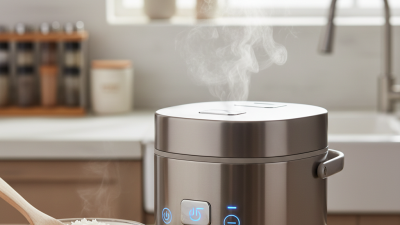
Choosing the right Electric Rice Cooking Machine can transform your cooking experience. With so many options available, it is essential to understand what features matter most. The perfect rice cooker ensures your rice is fluffy and evenly cooked. Look for machines with steam control, keeping your rice moist and flavorful.
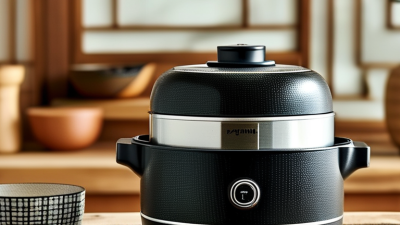
When evaluating different brands, consider their reliability and customer reviews. High-quality Electric Rice Cooking Machines often come with multiple cooking settings. These settings allow for various types of rice and grains. A dedicated model might prepare brown rice differently than white rice, showcasing versatility.
Reflecting on your cooking habits is vital. Do you cook rice daily or occasionally? Understanding your needs will guide your choice. A more complex machine might not suit a casual cook. Ultimately, an Electric Rice Cooking Machine should enhance your kitchen experience while fitting your lifestyle.
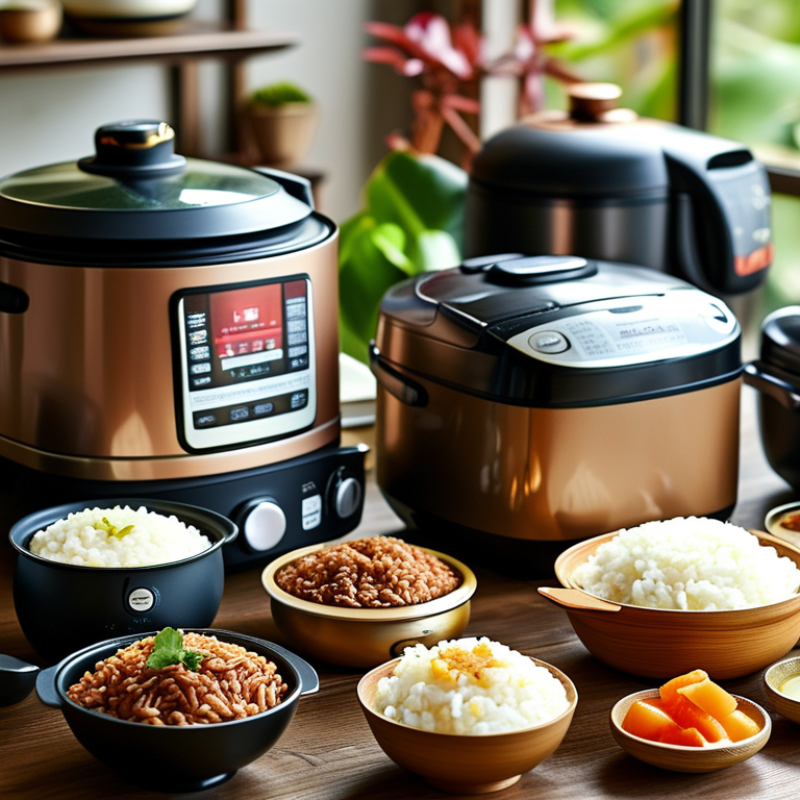
How to Determine Your Cooking Needs for an Electric Rice Cooker
When selecting an electric rice cooker, understanding your cooking needs is crucial. Are you cooking for a large family or just yourself? According to the National Kitchen and Bath Association, about 50% of families prefer versatile appliances that offer multi-cooking capabilities. This trend highlights the importance of choosing a model that fits not just your rice cooking needs but also other culinary tasks.
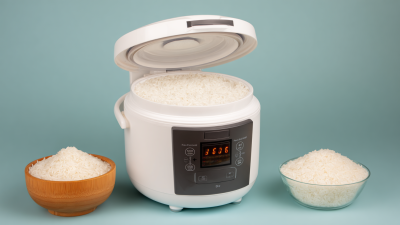
Consider the capacity of the rice cooker. Smaller cookers may serve one to two people, while larger ones can accommodate anywhere from six to ten servings. This is particularly useful for meal prepping. Do you crave brown rice, sushi rice, or even quinoa? Certain cookers specialize in different types, offering precise temperature and timing adjustments. For example, steam functions in some cookers have shown to enhance nutrient retention, which improves the overall health benefits of your meals.
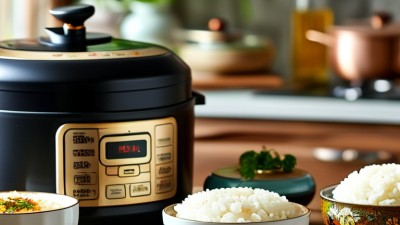
Tips: Look for models with user-friendly interfaces. A digital display can simplify your cooking process. Also, consider the material of the inner pot. Stainless steel options are durable and non-reactive. Regular cleaning may be necessary, as residual food can affect future meals. Lastly, don’t hesitate to reflect on your cooking habits. Are you often in a rush or do you prefer slow cooking? Your answer will guide your decision.
Key Features to Look for in Electric Rice Cooking Machines
When selecting an electric rice cooking machine, pay close attention to essential features. The capacity of the rice cooker is crucial. Most households find a 5-10 cup capacity sufficient. If you frequently host gatherings, consider a larger model.
Another key feature is the cooking settings. Look for machines with versatile options like white rice, brown rice, and even steaming capabilities. This flexibility allows you to explore various recipes and cooking styles. An intuitive control panel enhances user experience, making operation easy and stress-free.
Efficiency matters, too. Check for models with a keep-warm function. This feature ensures your rice stays warm without overcooking. Some machines offer programmable timers, perfect for meal planning. However, not all models excel in energy efficiency. Reflect on how often you cook rice and choose wisely.
Incorporate these tips into your selection process. Focus on features that align with your cooking habits. This approach ensures you invest in a machine that meets your needs and adds value to your kitchen. The right choice can elevate your culinary experience significantly.
Understanding Different Cooking Technologies in Rice Cookers
When it comes to rice cookers, understanding the cooking technology is crucial.
The most common types include conventional, induction, and fuzzy logic. Each technology brings unique benefits and limitations.
Conventional rice cookers rely on direct heat, which can sometimes lead to uneven cooking. They are simple and cost-effective, but may require more attention to avoid burning.
Induction rice cookers use magnetic fields to generate heat.
This technology provides precise temperature control, ensuring even cooking and better grain texture.
However, they tend to be more expensive and require compatible cookware.
On the other hand, fuzzy logic rice cookers utilize advanced sensors to adjust cooking times and temperatures automatically.
This adaptability results in consistently perfect rice, but users might find the variety of options overwhelming.
Choosing the right technology depends on personal cooking habits.
Consider how often you cook rice and the types you prefer.
A simple model may suffice for occasional use, while a more advanced cooker can enhance your cooking experience.
Each option has its pros and cons, and it's essential to weigh them against your needs for the best results in the kitchen.
Comparing Price Ranges and Brands of Electric Rice Cookers
When selecting an electric rice cooker, price often reflects quality and features. Budget models can cook rice adequately but may lack advanced cooking modes. These basic options typically range from $20 to $50. If you're on a tight budget, these cookers can be a reliable choice for daily meals.
Mid-range rice cookers, priced between $50 and $150, usually come with additional features. These may include programmable settings and steamers for vegetables. They often provide consistent results and durability. However, users sometimes find high-end models more appealing due to their versatility.
Premium electric rice cookers start at around $150 and can exceed $500. They often boast multiple cooking functions, advanced technology, and high-quality materials. While these models can promise perfection in cooking, they might not be necessary for everyone. Reflecting on your cooking habits can help determine the best investment.
Tips for Maintenance and Care of Your Electric Rice Cooker
Maintaining your electric rice cooker is crucial for its longevity and performance. Regular cleaning is a must after each use. Start by unplugging the cooker and letting it cool down. Remove the inner pot and wash it with mild soap and a soft sponge. Avoid using abrasive materials, as they can scratch the non-stick surface. Wipe down the exterior with a damp cloth.
Additionally, pay attention to the sealing ring in the lid. This ring can accumulate food particles and moisture over time. Gently clean it and check for signs of wear. If it begins to degrade, consider replacing it to maintain cooking efficiency. It's also wise to inspect the power cord for any fraying. If you spot damage, it’s best to stop using the cooker until you get it repaired.
Sometimes, users overlook the importance of keeping the cooker free from dust when not in use. Storing it in a dry place can prevent issues later on. Remember, even the best appliances require thoughtful care. Mistakes happen, and learning from them can truly enhance your cooking experience.