- +86-13631182173
- [email protected]
- 8613631182173

Leave Your Message
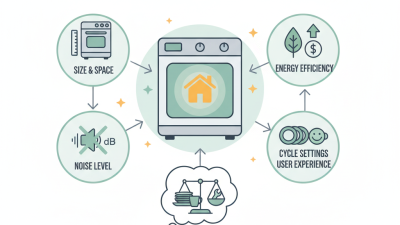
Choosing the right Automatic Dishwasher involves more than comparing stainless-steel finishes and attractive control panels. A dependable model should match the kitchen’s space, plumbing, household size, and daily washing habits. Measure the opening carefully, including height under the countertop. A few millimeters can change an easy installation into an expensive adjustment.
Practical testing begins with ordinary dishes. Picture a dinner plate with dried rice, a greasy saucepan, and narrow glasses on the upper rack. The dishwasher should handle these items without blocking spray arms or leaving hidden residue. Check adjustable racks, filter access, cycle options, drying performance, and noise ratings. A quiet machine matters in open-plan homes, especially during evening conversations. Energy and water labels also deserve attention, since small savings can accumulate through hundreds of cycles.
Reliable guidance should come from manufacturer specifications, recognized efficiency information, professional reviews, and verified customer experiences. Warranty coverage and local repair support are easy to overlook. They should not be. A lower purchase price may lose its appeal when replacement parts are difficult to find. No Automatic Dishwasher is perfect. Some models clean brilliantly but dry plastic poorly, while others run quietly but need longer cycles. Personal priorities can change the decision. This guide examines ten practical tips, while acknowledging one uncomfortable truth: the most expensive model is not automatically the best choice. Careful measurements, realistic expectations, and honest comparisons usually matter more than showroom shine.
10 Tips for Choosing the Best Automatic Dishwasher
Understanding Automatic Dishwasher Types and Cleaning Systems
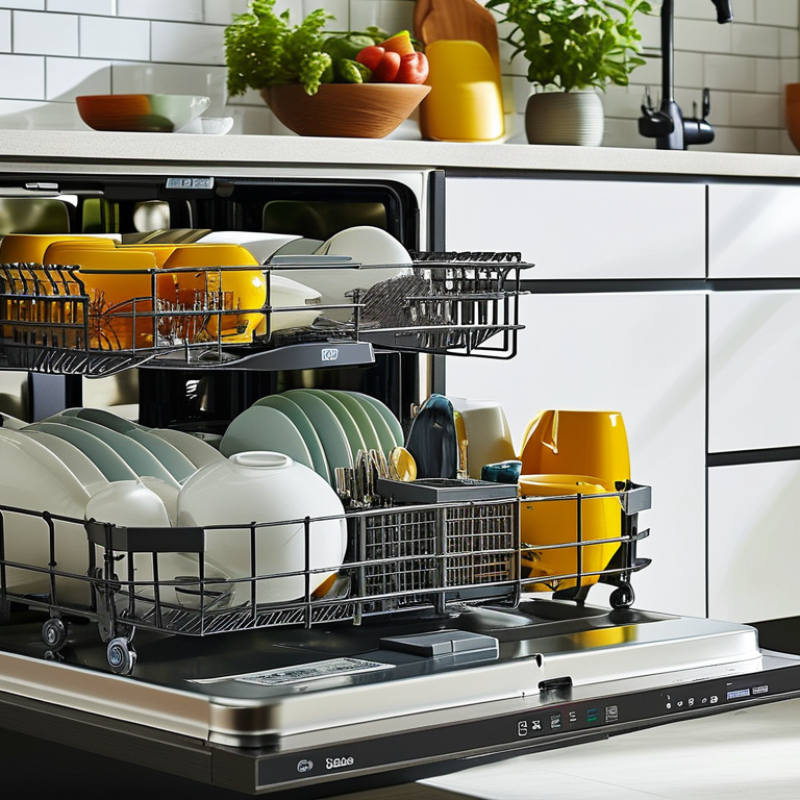
Choosing the best automatic dishwasher starts with its type. Built-in models suit fixed kitchens, while portable units help renters and smaller homes. Drawer designs separate light loads from greasy pans. Measure the opening, door swing, and nearby water connection. Measure carefully. Quiet operation matters in open-plan rooms. Check adjustable racks and filter access before trusting glossy specifications. I once underestimated rack height; a tall mixing bowl blocked the spray arm.
Cleaning systems differ more than their names suggest. Rotary spray arms rinse dishes from several angles, but blocked holes weaken coverage. Some machines use soil sensors to adjust water and cycle time. This helps with lightly used plates. Heavy soil still needs strong pressure and adequate heat. Look for a removable filter, because trapped food can return as grit. A self-cleaning label does not mean zero maintenance. Read the manual’s detergent and temperature guidance. Hard water may leave cloudy spots, so check for a softening system. Not always.
Choose a normal cycle for daily dishes, an intensive cycle for baked-on food, and a delicate setting for fragile items. Confirm the drying method before buying. Heat drying is faster, while condensation drying may use less energy. Select leak protection and a clear service policy. Test the racks with your own plates if possible. Listen during a full cycle. Energy labels help, but real loading habits matter more. I still prefer simple controls; extra modes can become unused decoration.
| No. | Selection Tip | Key Dimension or Type | Important Facts and Typical Specifications | Recommended Cleaning System | Best Suited For |
|---|---|---|---|---|---|
| 1 | Measure the Available Space | Full-size Slimline Compact | Standard full-size units are generally about 60 cm wide, slimline units about 45 cm wide, and compact models are often 55 cm wide or less. Always check height, depth, door clearance, and connection locations. | Choose a system with adjustable racks and a removable or height-adjustable upper basket when installation space is restricted. | Renovated kitchens, apartments, and households replacing an existing appliance. |
| 2 | Match Capacity to Household Size | Place settings Rack layout | Full-size models commonly hold approximately 12–16 place settings, while slimline models often hold about 9–10. Capacity also depends on plate diameter, cookware size, and rack flexibility. | Multi-level spray arms and foldable tines improve water coverage when the racks are heavily loaded. | Families, couples, occasional entertainers, and users who wash large cookware. |
| 3 | Choose the Appropriate Dishwasher Type | Built-in Freestanding Drawer Countertop | Built-in units provide an integrated appearance. Freestanding units offer easier relocation. Drawer models allow smaller loads, while countertop models usually have lower capacity and may use a water tank instead of permanent plumbing. | For flexible loading, select a model with separate wash zones or independent compartments where available. | Built-in kitchens, rental homes, small households, and limited-space installations. |
| 4 | Compare Water and Energy Efficiency | Eco cycle Water use Energy label | Efficient full-size dishwashers commonly use roughly 9–15 litres of water per standard cycle, although actual use varies by program, load size, and local testing standards. Compare the official energy label for annual consumption. | Sensor-controlled systems can adjust water duration and temperature according to soil levels and load conditions. | Frequent users seeking lower running costs and reduced household water consumption. |
| 5 | Understand the Spray and Filtration System | Spray arms Fine filter Soil sensor | Most automatic dishwashers circulate water through rotating spray arms and reusable filters. Three spray levels or additional targeted jets can improve coverage, but correct loading remains essential. | A self-cleaning or easy-clean filter helps maintain water flow; removable filters should be rinsed regularly according to the care instructions. | Mixed loads containing plates, glasses, utensils, and moderately soiled cookware. |
| 6 | Select the Right Wash Programs | Normal Intensive Quick Eco | A normal cycle is suitable for everyday dishes. Intensive programs use higher temperatures or longer times for baked-on food. Quick cycles are intended for lightly soiled items and may provide less drying. | Automatic soil sensing is useful when loads vary, while a dedicated intensive zone helps concentrate cleaning on pans and casserole dishes. | Households with changing washing needs and different levels of food residue. |
| 7 | Check Temperature and Hygiene Features | Wash temperature Sanitizing option | Many programs operate across approximate temperature ranges of 45–70°C. Higher-temperature options can support hygiene and heavy-soil cleaning, but they may increase cycle time and energy use. | Temperature-controlled washing combined with a final hot rinse is appropriate for heavily soiled dishes; follow the care limits for plastics and delicate items. | Homes requiring stronger cleaning for cookware, feeding items, or high-soil loads. |
| 8 | Evaluate Drying Performance | Heated drying Condensation Air opening | Condensation drying uses residual heat and is generally quieter and more efficient. Heated drying can improve results on plastics but may consume more energy. Automatic door opening can release steam near the end of a cycle. | Choose a drying system with a rinse-aid indicator and a suitable plastic-safe setting if the load contains many containers. | Users who store dishes immediately or frequently wash plastic food containers. |
| 9 | Consider Noise and Convenience Controls | Noise level Delay start Leak protection | Modern dishwashers commonly operate in the approximate range of 44–50 dB, while quieter models may operate below this range. Delay start, remaining-time displays, child locks, and leak sensors add convenience. | A low-noise pump, insulated tub, and balanced spray system can reduce operating sound without changing the cleaning method. | Open-plan kitchens, nighttime operation, families with children, and safety-conscious users. |
| 10 | Review Maintenance and Installation Requirements | Filter access Water hardness Service access | Regularly clear the filter, check spray-arm openings, refill rinse aid when required, and use detergent suitable for the local water hardness. Installation normally requires a water inlet, drain connection, electrical supply, and adequate ventilation or clearance. | A removable filter, accessible spray arms, water-softening function, and maintenance alerts can help preserve cleaning performance. | Long-term owners, hard-water areas, and users who prefer simple routine maintenance. |