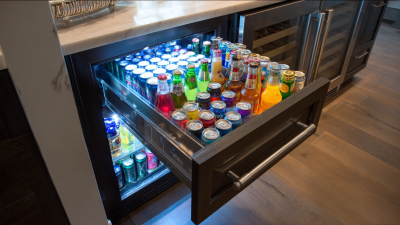
A refrigerator crisper drawer looks simple until it has to slide smoothly, hold produce, and withstand years of cold use. Small details matter: a clear front panel, reinforced corners, consistent wall thickness, and rails that do not catch when the drawer is full. This guide to China’s top 10 Fridge Crisper Drawer Factory options introduces manufacturers and suppliers serving appliance brands, replacement-parts businesses, and product developers. “Top” is a useful starting point, not a guarantee of fit or quality.
The comparison focuses on practical questions buyers can verify: Does the factory make drawers in the required dimensions? Can it explain its molding and inspection process? Are material specifications and product samples available for review? Clear answers help reduce costly surprises, especially when a drawer must match an existing refrigerator model. Ask about sample lead times, packaging, customization, and how defects are handled. Then compare the answers against your own drawings and requirements. A polished catalog is not enough. Even a promising supplier may need closer checking, and that is worth admitting. Factory capabilities, communication, and product consistency can vary. This overview offers a grounded way to shortlist candidates, while encouraging buyers to confirm details directly before placing an order.
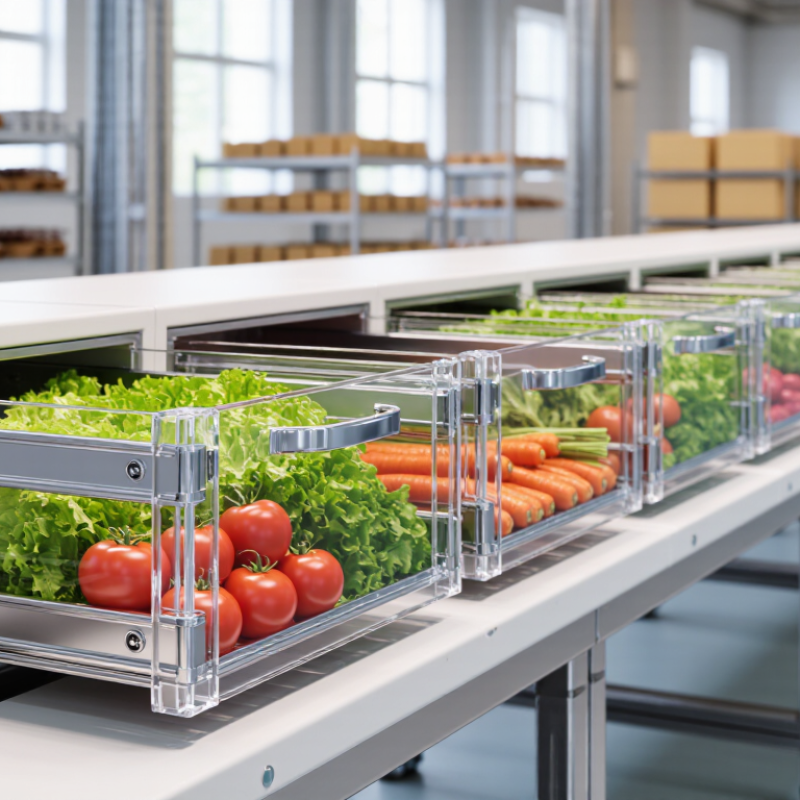
A refrigerator crisper drawer is a compartment designed to help keep fresh produce in suitable storage conditions. It is usually located near the bottom, where the temperature tends to stay relatively cool. The drawer’s walls limit direct airflow, which can help produce lose moisture more slowly. Leafy greens often benefit from higher humidity, while some fruits keep better with more ventilation. Small slider controls adjust airflow in many models. More closed usually means more humidity; more open allows moisture to escape. That helps. Still, the settings are not precise instruments, and results vary with the refrigerator and the food inside.
A crisper drawer also keeps produce separate from other items and makes it easier to see what needs using. Avoid packing it tightly: crushed lettuce and blocked vents can undermine its purpose. A clean, smooth interior matters too, since spills can collect in corners and become unpleasant. When assessing drawer design, look for sturdy rails, a front panel that stays secure, and controls that move without sticking. These details matter in daily use, not just in a factory inspection. Yet a well-made drawer cannot rescue wilted produce or correct poor storage habits. I still find the labels confusing sometimes, so checking the food is more useful than trusting a setting blindly.

A fridge crisper drawer is designed around more than its shape. Engineers consider the cabinet’s available space, rail position, door clearance, and the weight of stored produce. The drawer must slide smoothly while holding items such as apples, leafy greens, and a full water-heavy lettuce. Fit matters. Designers may add ventilation slots or adjustable humidity controls, depending on the refrigerator’s cooling system.
Before production, teams create drawings and prototypes to check dimensions, movement, and access for cleaning. They often use clear or translucent food-contact plastics, chosen for impact resistance and easy visibility. The exact material depends on the design and performance needs. A prototype can reveal issues that a drawing misses, such as a corner that traps crumbs or a handle that feels awkward when the drawer is full. Small details count.
Manufacturing commonly involves injection molding. Heated plastic is pressed into a shaped mold, cooled, and removed for inspection. Workers or automated systems check for warping, sharp edges, uneven surfaces, and consistent dimensions. The drawer is then tested with its rails and surrounding refrigerator parts to confirm that it opens and closes reliably. Still, one compromise is easy to overlook: a very rigid drawer may feel sturdy but can be less forgiving if handled roughly. Good design balances durability, smooth movement, visibility, and practical cleaning—not just appearance.
Typical density of plastics that may be considered for refrigerator drawers and components. Values are approximate; exact properties vary by grade.
Material choice is one part of drawer design: transparency, impact resistance, food-contact requirements, and moldability also matter. A typical manufacturing sequence is CAD design, prototype testing, injection molding, trimming, and quality inspection.
China’s leading crisper drawer factories can show how they control fit, strength, and consistency—not just present a polished sample. A drawer should slide smoothly, sit level, and resist cracking when loaded. Ask how the factory checks dimensions, resin batches, and mold wear during production. Request sample measurements and inspection records, not only verbal assurances.
Look for practical testing. A capable team can describe cold-temperature impact checks, load tests, and repeated opening and closing trials. It should also explain how it handles color variation, sharp edges, and defects around molded corners. Details matter. Traceable material documents and clear quality procedures make problems easier to investigate. A tidy showroom alone proves little.
Production capability matters, too. Ask whether the factory maintains its own tooling, how it manages mold repairs, and whether it can support replacement parts over time. Review a sample from normal production, rather than relying only on a specially prepared prototype. Communication is another useful signal: precise drawings, realistic lead times, and direct answers reduce avoidable misunderstandings. Still, no checklist guarantees a perfect supplier. Factory visits and independent sample checks can reveal gaps that a sales presentation may miss. Some teams explain their process well but struggle to keep measurements consistent across batches. That difference deserves attention.
Use this proposed 100-point framework to compare manufacturers. The weights are evaluation suggestions, not verified rankings or performance claims about specific factories. Confirm requirements against the refrigerator design and the destination market.
| Evaluation criterion | Suggested weight | What to verify | Useful evidence or measurement |
|---|---|---|---|
| Food-contact material compliance | 16% | Resin grade, colorants, additives, and any recycled content; suitability for the intended food-contact use and sales market. | Material declarations and applicable test reports. Check the relevant rules for the destination market, such as applicable U.S. FDA food-contact requirements or EU Regulation (EC) No 1935/2004 and, where relevant, Regulation (EU) No 10/2011 for plastics. |
| Dimensional accuracy and appliance fit | 13% | Critical dimensions, mounting points, slide or rail interfaces, clearances, and fit across the approved refrigerator models. | Approved drawings with tolerances, first-article inspection records, dimensional reports, and fit checks using the intended cabinet or mating components. |
| Mechanical and functional performance | 12% | Drawer movement, load handling, resistance to cracking, retention on rails, and performance after repeated use. | Documented test methods and results for load, sliding cycles, impact, and relevant temperature conditions, with acceptance limits agreed before production. |
| Quality management and process control | 12% | Documented inspection procedures, defect handling, corrective action, process monitoring, and control of nonconforming product. | Current quality-system certificates where applicable, audit findings, inspection plans, corrective-action records, and examples of lot-level quality data. |
| Production capacity and scalability | 10% | Available molding and finishing capacity, equipment suitability, staffing, and ability to manage forecast changes. | Machine list and tonnage matched to the part, production schedule, capacity calculations, and records showing actual output for comparable components. |
| Tooling and engineering capability | 9% | Design-for-manufacturing support, mold development, venting and cooling design, mold maintenance, and control of tooling changes. | Tooling ownership and maintenance terms, mold trial records, engineering change control, and a documented sample-approval process. |
| Material and batch traceability | 8% | Ability to link finished parts to production dates, production lines, material batches, and inspection records. | Sample traceability records and a demonstration of how the factory identifies and contains affected lots during a quality issue. |
| Inspection and product validation | 7% | Incoming material checks, in-process inspections, final inspection, and validation against the approved drawing and sample. | Inspection plans, calibrated measurement equipment records, sample inspection reports, and agreed defect classification criteria. |
| Delivery and supply-chain reliability | 7% | Lead-time planning, order communication, packaging protection, and management of material or production disruptions. | Historical on-time delivery data for comparable orders, a capacity and replenishment plan, and packaging or transit-damage checks. |
| Environmental and resource management | 6% | Waste handling, material efficiency, energy management, and controls for any recycled material used in the part. | Relevant environmental-system documentation, scrap and regrind controls, and written confirmation that material use meets the agreed specification and applicable regulations. |
| Total suggested weighting | 100% | Score each criterion using verified documents, samples, audits, and performance records rather than supplier claims alone. | |
Profiles of ten fridge crisper drawer factories in China can help buyers compare more than quoted prices. Each factory may differ in mold design, material choices, production scale, and ability to adjust drawer dimensions. Ask how samples are checked for smooth sliding, corner strength, and fit with cabinet rails. Small details matter: a slightly uneven edge can catch during daily use.
Tips: Request a sample made with the proposed material. Check its transparency, surface finish, and movement when loaded with produce. Confirm which measurements the factory can hold consistently. A sample is useful, but it cannot show every production variation.
A careful factory profile should also describe quality checks, communication, and lead-time planning without relying on broad claims. Ask whether the supplier can share inspection records or explain how defects are handled. Some profiles may leave unanswered questions; that is worth noting, not glossing over. Compare written specifications and sample results before deciding. A reliable match is usually the factory that can explain its process clearly and repeat the agreed details.
A crisper drawer looks simple, but small differences affect daily use. When comparing Chinese factories, check whether they can match your required dimensions, rail design, and refrigerator model. Request a drawing with measurements before discussing price. A low quote means little if the drawer catches against the cabinet or leaves uneven gaps.
Ask for a production sample made with the intended resin and tooling. Slide it in and out repeatedly; inspect the corners, wall thickness, surface finish, and any sharp edges. Check whether the factory can explain its material controls and provide relevant documentation for your target market. Details matter. Sample approval should also record color, dimensions, and acceptable surface variation, so both sides have a clear reference.
Then compare quality checks, mold maintenance, lead times, and protective packaging—not just monthly output. Ask how workers identify warped parts and how rejected pieces are handled. A factory may promise tight tolerances, yet inconsistent inspection can undermine that promise. Request recent inspection records or a live walkthrough, if practical. Communication is evidence too: clear answers about revisions and defects are more useful than polished claims. No checklist catches everything; a pilot order can reveal problems that a sample cannot.