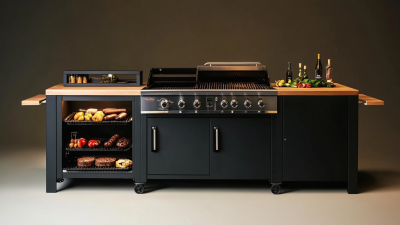
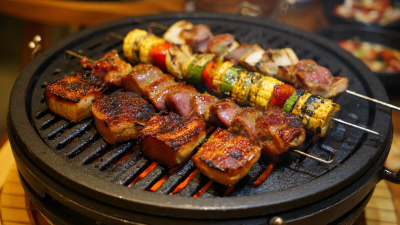
Choosing the best Electric Barbecue Machine in 2026 takes more than comparing sleek lids or advertised wattage. The U.S. Hearth, Patio & Barbecue Association’s 2024 State of the Barbecue Industry report found that 70% of U.S. adults own a grill or smoker. That broad ownership figure shows how familiar outdoor cooking has become, but it does not tell buyers which electric model performs best. Real performance depends on practical details: how evenly the grate heats, how precisely the thermostat responds, and whether the cooking surface fits a weeknight dinner or a crowded patio gathering.
Barbecue authority Steven Raichlen is often associated with the distinction, “Grilling is hot and fast; barbecue is low and slow.” That difference matters when judging electric machines: some excel at quick searing, while others suit slower, steadier cooking. This guide compares useful specifications, cooking results, cleanup, safety features, and value, rather than treating a high power rating as proof of quality. A glowing heating element looks convincing. It is not the whole story. We will also consider the small inconveniences buyers may notice only after a few meals, including uneven corners, short cords, or awkward grease trays. These details are easy to miss in product listings—and easy to regret later.
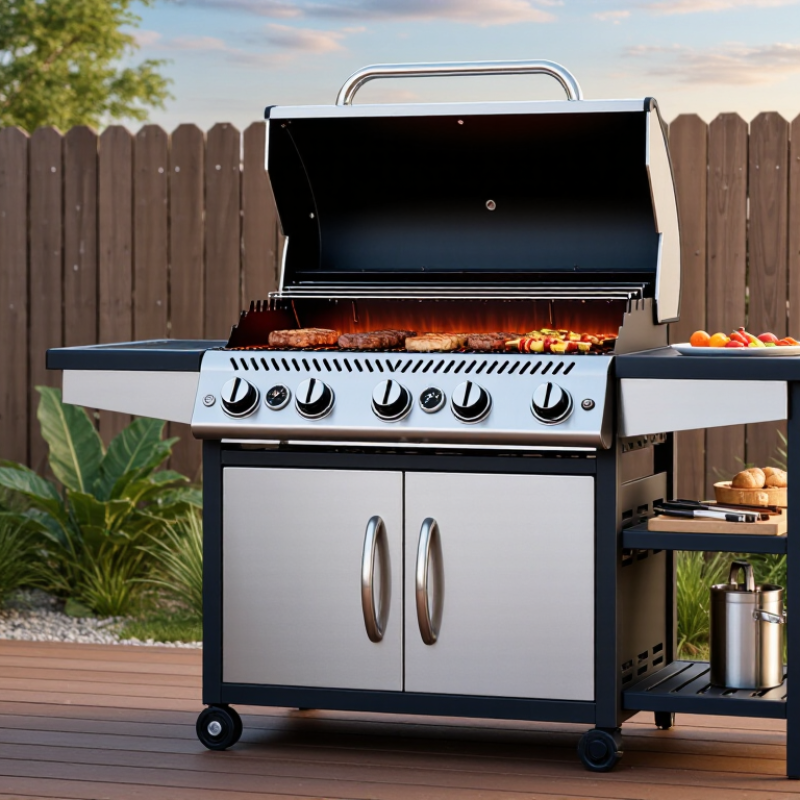
An electric barbecue machine cooks food with heat from an electrically powered resistance element. The element warms a cooking plate or grate, transferring heat directly to the food and radiating it across the cooking surface. A thermostat may cycle power to hold a selected temperature, though heat can still vary between the center and edges. No open flame. A drip tray catches rendered fat, while the lid, when closed, helps retain heat and cook thicker cuts more evenly.
Power use depends on wattage, cooking time, and how often the thermostat switches on. The U.S. Energy Information Administration’s Electric Power Monthly reported an average residential electricity price of 16.48 cents per kilowatt-hour in 2024. At that rate, a 1.5-kilowatt element running continuously for one hour would use 1.5 kilowatt-hours, costing about 25 cents; preheating and cycling can change the actual figure. There is a catch. Electric units can offer steady, adjustable heat, but they do not reproduce the smoke and flame flavor of charcoal cooking. A clean grate and a fully heated surface help browning, yet crowded food can cool the plate and leave pale patches.
An electric barbecue machine uses an electrical heating element to produce heat for cooking. The bars show energy use after one hour of continuous operation at example power ratings: energy in kilowatt-hours equals power in kilowatts multiplied by time in hours. In normal use, a thermostat may switch the element on and off, so actual consumption can be lower.
Electric barbecue machines in 2026 generally fall into tabletop, freestanding, and indoor smokeless types. Tabletop models sit on a sturdy outdoor table or balcony surface. Their small footprint suits couples and compact spaces, though the cooking area can feel crowded when several people want food at once. Compact, but limited. Look for adjustable heat and a removable drip tray; both make routine cooking and cleanup easier. A lid can also help retain heat, especially when grilling thicker vegetables or cuts of meat.
Freestanding, cart-style machines usually offer a larger grate, side shelves, and wheels for moving across a patio. They work well for family meals, but need more storage space and a nearby power outlet. Indoor smokeless grills are designed for kitchens, often using enclosed elements or a water-filled tray to reduce smoke. No grill is completely smoke-free. Ventilation still matters, particularly when cooking fatty foods. Contact-style electric grills close over food and cook both sides at once; they are quick, but leave less room for larger pieces. The right type depends on your cooking space, serving size, and willingness to clean up. One detail is easy to overlook: check whether the cooking surface and grease tray come off without awkward tools.
When comparing electric barbecue machines in 2026, look beyond peak wattage. Check whether the heating element warms the full cooking surface, not just the center. A cold edge can leave vegetables pale while sausages char in the middle. Adjustable temperature control, a clear lid, and a removable grease tray make cooking easier to monitor and clean. Small details matter.
Power draw affects running cost, but not in a perfectly simple way. The U.S. Energy Information Administration’s 2024 Electric Power Monthly reports an average U.S. residential electricity price of about 16.5 cents per kilowatt-hour. A 1.5-kilowatt grill running at full power for one hour would use about 1.5 kilowatt-hours, or roughly 25 cents at that average rate. Thermostat cycling and preheating change the real total. Still, wattage alone misleads.
Compare usable grate area, temperature range, lid fit, and how easily grease drains away from the food. The USDA Food Safety and Inspection Service recommends 165°F for poultry, 160°F for ground meats, and 145°F for whole cuts of beef, pork, and lamb, followed by a three-minute rest. A built-in thermometer helps, but a separate probe gives a useful cross-check. Check the manual for outdoor-use and weather limits, too. I would not assume “portable” means suitable for every patio.
What Is the Best Electric Barbecue Machine in 2026?
The best electric barbecue machine is not simply the one that heats fastest. Safety features and cleaning demands can matter more during everyday use. Check whether the unit is approved for indoor or outdoor cooking; never assume an outdoor grill belongs in a kitchen. Read the manual. A stable, dry surface and an undamaged power cord reduce avoidable risks. Keep the cord away from hot surfaces, and plug the grill into an outlet that matches its instructions.
Design affects maintenance, too. Removable plates and drip trays are easier to clean than narrow grooves that trap grease. Unplug the machine and let it cool before wiping or removing parts. Heat travels. Never immerse the electrical base, even when food residue seems stubborn. A soft brush and a damp cloth usually protect nonstick surfaces better than metal tools or harsh abrasives. Follow the maker’s cleaning guidance, since coatings and removable parts vary.
A clean-looking grill is not always a clean one. Grease can collect beneath the heating area, where it is easy to miss. Check the tray after each session, and empty it before cooking again if it is full. Small habits matter. Inspect the plug and cord periodically for cracks, discoloration, or looseness. If a part looks damaged, stop using the machine until it has been checked or replaced according to the instructions. Cleaning takes a few minutes; rushing it can leave residue where you least expect it.
| Electric Barbecue Type | Best Suited For | Safety Considerations | Maintenance Needs | Main Trade-Off |
|---|---|---|---|---|
| Indoor contact grill | Quick meals in kitchens; cooks food between heated plates. | Use on a stable, heat-resistant surface and keep the appliance clear of curtains and other flammable materials. Check that the model is labeled for indoor use. | Unplug and let it cool before cleaning. Removable plates are generally easier to wash; wipe fixed plates with a damp cloth and follow the manual. | Compact and convenient, but the cooking area is usually smaller and food is pressed between plates. |
| Indoor open-surface electric grill | Grilling at the table or cooking several foods on an exposed heated surface. | Hot surfaces and exposed grease can cause burns or splashes. Use only in a well-ventilated space and only if the appliance is rated for indoor use. | Allow the grill to cool, then clean the cooking surface and empty any grease tray. Avoid immersing electrical parts or the heating element. | Offers an open grilling surface, but grease management and splatter control require attention. |
| Electric griddle with grill sections | Flexible cooking for foods that benefit from either a flat surface or grill ridges. | Keep the cord away from hot surfaces and ensure the unit sits level so grease can drain as intended. Follow the maker’s instructions for indoor or outdoor use. | Clean the flat and ridged areas carefully after cooling. Wash removable drip trays regularly to prevent grease buildup. | Versatile for different foods, but grooves and multiple surface sections can take longer to clean. |
| Outdoor electric cart grill | Patios and balconies where an outdoor-rated appliance and suitable power supply are available. | Use outdoors only when the product is rated for outdoor use. Keep it dry, use a properly grounded outlet, and follow local electrical-safety guidance; never use it in an enclosed space. | Remove food residue and grease after the grill has cooled. Protect the unit from weather as directed, and inspect the cord and plug for damage. | Often provides more cooking space, but needs outdoor storage and access to a suitable electrical outlet. |
| Electric grill with a lid | Cooking thicker foods and retaining heat more effectively than an uncovered grill. | The lid and nearby surfaces can become hot. Open the lid carefully, use the appliance in its approved setting, and keep ventilation openings unobstructed. | Clean the grate, lid interior, and grease collector once cool. Check that grease channels are clear before each use. | Helps retain heat, but the lid and grease pathways add parts that need regular cleaning. |
Practical takeaway: The best choice depends on where you plan to cook, available space, and cleaning preferences. Always check the product’s indoor or outdoor rating and follow its safety and care instructions.
In 2026, the best electric barbecue machine is not simply the hottest one. It should hold steady heat, offer enough cooking space for a real meal, and let users control grease and flare-ups. Look for a clear temperature display, a removable drip tray, and a cooking surface that is easy to clean. Small details matter. A tray that is awkward to remove can make cleanup unpleasant after cooking fatty food.
Safety belongs in the definition, too. The National Fire Protection Association’s Home Fires Involving Grills report found an average of 11,421 U.S. home fires involving grills each year from 2017 to 2021. Those figures cover grill types broadly, not electric models alone, but they underline why stable placement and clear use instructions matter. For dependable cooking, the U.S. Department of Agriculture recommends an internal temperature of 165°F for poultry. A useful grill should make checking food straightforward, though its built-in dial cannot replace a food thermometer. I would also compare wattage, cooking area, and warranty before buying; the highest wattage does not automatically mean better results. A little uncertainty remains, especially when advertised capacity differs from usable space.