- +86-13631182173
- [email protected]
- 8613631182173

Leave Your Message
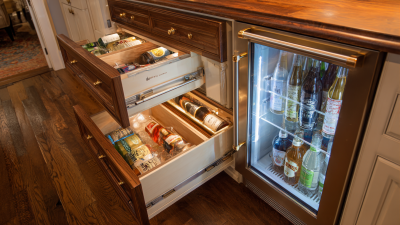
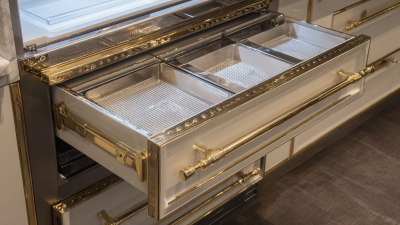
Choosing the right commercial refrigerator affects storage, workflow, energy use, and customer service. A Brass Monkey Drawer Fridge offers compact, organized cooling for cafés, mobile bars, offices, workshops, and hospitality counters. Its drawer format keeps frequently used items within reach. Think chilled cans, prep containers, and sealed ingredients arranged below a work surface.
Space matters.
The International Energy Agency’s The Future of Cooling report warns that cooling demand could more than triple by 2050 without stronger efficiency improvements. ENERGY STAR also identifies commercial refrigeration as an important opportunity for reducing operational energy consumption. These reports do not prove that every drawer refrigerator will save money. They show why capacity, insulation, ventilation, and maintenance deserve careful attention.
Amory Lovins, energy-efficiency expert and Rocky Mountain Institute co-founder, has stated, “The cheapest, cleanest energy is the energy you don’t use.” That principle applies to daily refrigeration decisions. A Brass Monkey Drawer Fridge may reduce unnecessary door opening and improve product visibility. However, performance depends on correct installation, stable ambient temperatures, and regular cleaning. It is not automatically the best choice. A poorly ventilated unit can work harder, increase noise, and shorten compressor life. Businesses should compare usable capacity, temperature recovery, warranty support, and measured power consumption before purchasing. A simple temperature log can reveal more than attractive product photography. This practical check is easy to skip. That assumption deserves testing.
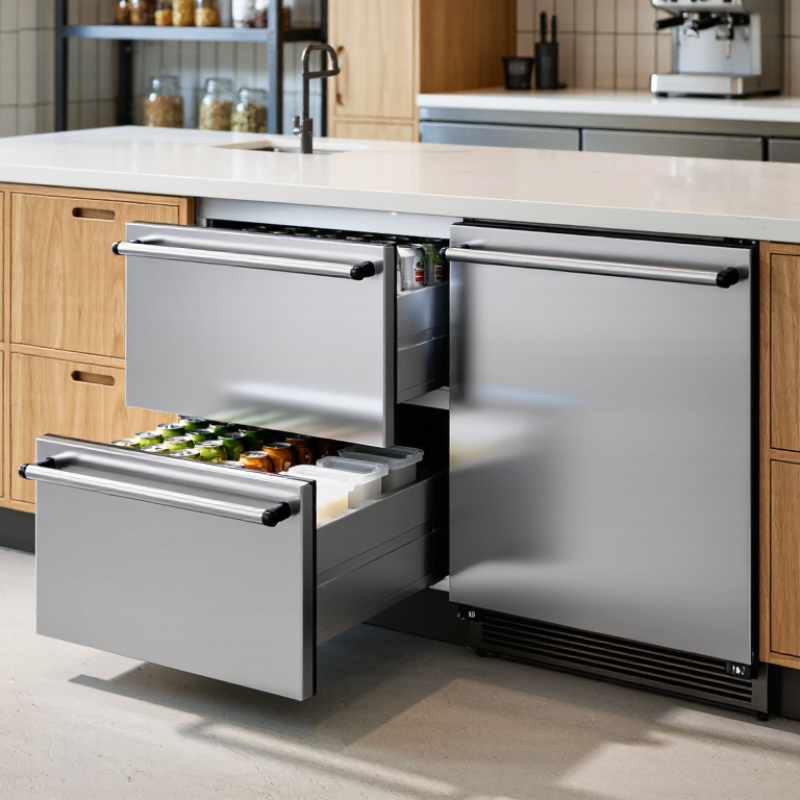
A commercial drawer fridge is a purpose-built under-counter refrigerator with sliding storage drawers. It fits professional kitchens, cafés, bars, food trucks, and service counters. Unlike a tall cabinet, it keeps chilled ingredients within easy reach during busy preparation.
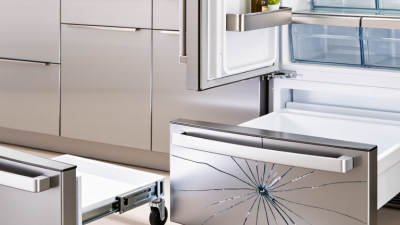
Its stainless-steel body handles frequent cleaning and daily contact with pans, utensils, and staff movement. Each drawer can organize vegetables, dairy products, sauces, or sealed meal components. This layout reduces bending and makes stock levels easier to check. Forced-air cooling supports stable temperatures, though performance depends on ventilation, loading, and ambient heat. A crowded drawer may cool unevenly. That detail is often overlooked.
Tips: Leave airflow space around the unit and avoid blocking the rear vents. Use a visible thermometer, even when the display appears accurate. Store food in covered containers, label dates, and clean spills promptly. Check door seals weekly; a loose gasket wastes energy and invites temperature swings. Select drawer depth carefully. Large containers may not fit.
Before purchase, measure the counter opening, service path, and electrical connection. Review temperature recovery after repeated opening, noise levels, drawer weight limits, and warranty support. A compact model may save floor space but offer less usable capacity. That trade-off deserves honest consideration. Good refrigeration is not only about cold air. It is about dependable access, safe handling, and a workflow that staff can maintain every day.
| Data Dimension | Typical Commercial Specification | Business Relevance |
|---|---|---|
| Product definition | An undercounter refrigerator with one or more front-facing pull-out drawers, designed for chilled food and beverage storage. | Provides quick access to frequently used ingredients while keeping valuable counter space available for preparation or service. |
| Commercial format | Commonly built in widths of approximately 600 mm, 900 mm, 1,200 mm, or 1,500 mm, depending on the number and size of drawers. | The range supports compact preparation stations, bar areas, catering units, and larger professional kitchens. |
| Storage capacity | Typical net capacity is about 150–450 litres, although actual capacity varies by cabinet width, drawer layout, insulation, and internal equipment. | Allows operators to match refrigerated storage to daily ingredient volume without committing floor space to a full-height cabinet. |
| Operating temperature | Many commercial refrigerated drawers are designed to maintain approximately 0°C to 5°C, subject to ambient conditions, loading, and model certification. | This range is commonly used for short-term storage of perishable ingredients such as meat, dairy, produce, and prepared foods. |
| Drawer configuration | Available layouts may include two, three, or four drawers, with adjustable dividers or containers in selected designs. | Separate drawers help organize ingredients by station, food type, preparation stage, or service period. |
| Compatible containers | Many commercial drawer units are designed around gastronorm or hotel-pan formats, but compatibility must be checked against the internal dimensions. | Standardized pans can simplify preparation, portion control, cleaning, and stock rotation. |
| Typical core uses | Food preparation counters, quick-service kitchens, bars, cafés, mobile catering units, hotel service areas, and institutional kitchens. | The drawer format places chilled stock close to the point of use, reducing unnecessary movement during busy service periods. |
| Workflow advantage | Front-opening drawers provide direct top-down visibility and allow staff to retrieve ingredients without opening a full-height door. | Can improve station organization and reduce time spent searching for frequently used items. |
| Installation position | Usually installed beneath a worktop or counter; clearance, ventilation, electrical supply, and floor loading must follow the equipment specification. | Proper installation supports cooling performance, safe operation, service access, and compliance with local requirements. |
| Construction materials | Commercial models commonly use stainless-steel exterior surfaces, insulated cabinets, corrosion-resistant interiors, and heavy-duty drawer hardware. | Durable, cleanable surfaces are appropriate for demanding food-service environments and routine sanitation. |
| Cleaning and hygiene | Removable pans or dividers, smooth internal surfaces, and accessible drawer seals are useful features for regular cleaning. | A practical internal layout helps staff separate raw and ready-to-eat foods and maintain documented cleaning routines. |
| Temperature monitoring | Digital controls and temperature displays are common, while alarm and data-recording functions depend on the selected model. | Visible temperature information supports routine checks and helps identify potential cooling problems early. |
| Selection priorities | Check usable capacity, external dimensions, pan compatibility, temperature range, ventilation requirements, energy information, noise level, warranty, and service support. | Evaluating these factors helps businesses choose a drawer refrigerator that fits the operation, available space, food-safety procedures, and total cost of ownership. |
Note: Specifications vary by configuration and supplier. Confirm the exact capacity, temperature performance, electrical requirements, and certification before purchase.