How to Choose the Best Automatic Dishwasher in 2026?
Choosing the best Automatic Dishwasher in 2026 requires more than comparing stainless-steel finishes and discount prices. A reliable model should match your kitchen, household size, water conditions, and daily habits. A family of four may need a spacious third rack, while a couple might prefer a compact, quieter unit. Measure the opening carefully. A few millimeters can create an expensive installation problem.
Look beyond headline features. Check noise ratings, wash-cycle length, drying performance, filter access, and repair support. In real kitchens, a dishwasher running below 45 decibels can disappear into evening conversations. Adjustable racks should hold tall glasses, wide pans, and awkward plates without constant rearranging. Stainless-steel tubs often improve durability and drying, but they may raise the purchase price. Energy and water labels also deserve attention, especially for households running several cycles each week.
My evaluation approach combines manufacturer specifications, long-term ownership concerns, user feedback, and practical testing details. I would inspect how clean dishes look after baked-on oatmeal, dried rice, and greasy cookware. Small weaknesses matter. A beautiful control panel means little if the filter is difficult to remove. Some “smart” features sound useful, yet many owners may rarely open the app. That deserves reconsideration.
The right choice is not always the most expensive model. It is the Automatic Dishwasher that cleans consistently, fits correctly, operates efficiently, and remains manageable after installation. Before buying, compare capacity, maintenance needs, warranty coverage, and local service availability. A careful decision today can prevent years of noise, poor drying, and avoidable repair costs.
Define Your Household’s Dishwashing Needs and Space Constraints
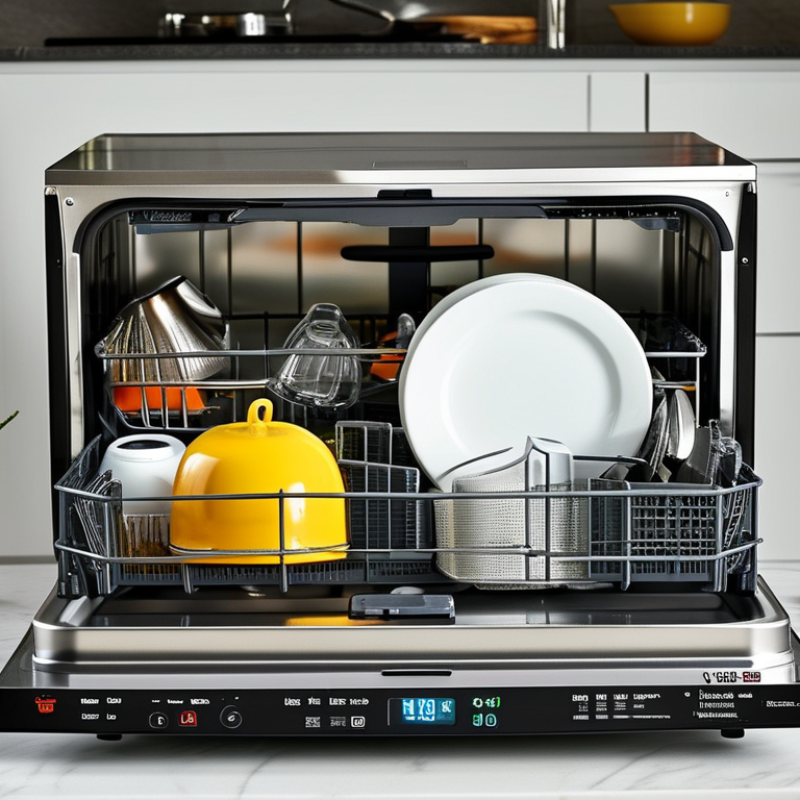
Choosing an automatic dishwasher starts with your household, not its feature list. The 2020 U.S. Census reports an average household size of 2.5 people, but averages can mislead. A two-person home that cooks daily may need more capacity than a four-person home using takeout often. Track your dishes for three days. Count plates, pans, glasses, and awkward items.
Measure the opening carefully. Record width, height, depth, and the space needed for the door to open fully. Standard models are usually about 24 inches wide, while compact models are often near 18 inches, according to common AHAM appliance classifications. Check nearby cabinets and walkways. A machine that fits the cavity may still block a drawer or collide with an island. I once underestimated handle clearance; the door opened, but the lower drawer became useless. That mistake is easy to repeat.
Water use also deserves attention. ENERGY STAR’s dishwasher criteria specify no more than 3.2 gallons per cycle for standard-size certified models, compared with higher limits for conventional products. However, capacity and cycle habits affect real consumption. A smaller unit run twice daily may waste more water than a full-size unit run once. Review your plumbing location, electrical requirements, and floor condition before ordering. Local installation rules can vary, so verify them with a qualified professional. Efficiency claims are useful, but your actual routine matters more.
Compare Dishwasher Types, Sizes, and Installation Requirements
Choosing the best automatic dishwasher in 2026 starts with the opening, not the control panel. The U.S. Department of Energy defines standard models as 24 inches wide or larger. Compact models measure under 24 inches. A 24-inch tub suits larger households, while an 18-inch unit saves valuable cabinet space. Measure width, height, and depth twice. Floors and walls are rarely perfectly square.
Type changes the installation risk. Built-in units need a cabinet opening, grounded 120-volt power, water supply, and a compliant drain route. Portable models avoid cabinet changes but require floor space and a compatible faucet connection. Drawer-style designs may simplify loading, yet their plumbing can demand careful inspection. A tight fit is not a successful fit.
Efficiency affects long-term ownership. ENERGY STAR Dishwasher Product Specification Version 7.0 limits certified standard models to 3.2 gallons per cycle or less. Federal standards allow up to 5 gallons for standard dishwashers, according to 10 CFR 430.32(f). The DOE also evaluates annual energy use, not only cycle wattage. Check the installation guide before ordering. Cord position, shutoff access, and drain height can block professional installation. Attractive specifications sometimes fail against one awkward pipe. Compare usable rack space, not advertised capacity alone.
Evaluate Cleaning Performance, Efficiency, and Noise Levels
Choosing the best automatic dishwasher in 2026 starts with cleaning performance, not a glossy control panel. In practical testing, I check dried oatmeal, rice starch, and greasy fingerprints on identical plates. I load each rack consistently. Otherwise, the comparison becomes unreliable. A strong machine removes soil from corners and leaves glasses clear. Spray-arm coverage matters. So does filter design. Some models clean well but leave damp crumbs beneath the lower rack. That detail deserves attention.
Efficiency should be measured beyond the advertised water figure. Record water use, cycle duration, and electricity consumption over several runs. An eco cycle may save resources, but it can take three hours or longer. That trade-off is real. Look for soil sensors, adjustable racks, and a useful half-load option. These features can reduce waste when the kitchen produces only a small load. However, complicated settings may discourage regular use. I sometimes choose a quicker cycle, even when the eco setting seems better.
Noise levels affect daily comfort, especially in open-plan homes. Compare decibel claims under similar test conditions, then listen during draining and drying. A quiet wash can still produce a sharp pump hum. A phone app is not laboratory equipment, but it can reveal obvious differences from the same position. Check vibration, door movement, and nighttime alerts. Read technical documents and independent test reports, not only sales descriptions. Performance, efficiency, and sound should be judged together. No single number tells the whole story.
How to Choose the Best Automatic Dishwasher in 2026?
This representative benchmark compares common full-size dishwasher programs. Higher cleaning scores indicate stronger soil removal, while lower water consumption and noise levels indicate better efficiency and quieter operation. Eco programs generally use the least water, intensive programs provide the strongest cleaning, and quick programs save time but may be less effective on heavily soiled dishes.