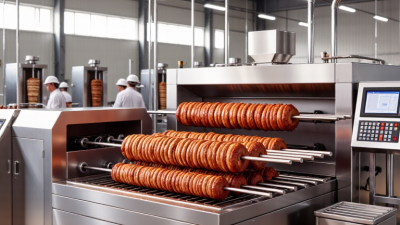
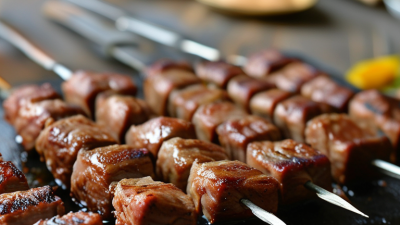
How to Choose a Seekh Kebab Maker Machine?
Choosing a Seekh Kebab Maker Machine is not simply a matter of comparing prices and production speed. The right equipment must shape consistent kebabs, protect food quality, and fit the operator’s daily workflow. Grand View Research reports that the global meat processing equipment market is expanding steadily, driven by automation, hygiene expectations, and labor efficiency. This trend is visible in busy commercial kitchens, where uneven portions can create waste within a single service.
Consistency matters most.
A suitable machine should offer adjustable portion control, reliable stainless-steel construction, simple cleaning access, and stable electrical performance. The Food and Agriculture Organization emphasizes that hygienic design and effective sanitation are essential throughout food handling operations. Buyers should therefore inspect product-contact surfaces, detachable components, safety guards, and after-sales support before purchasing. A shiny exterior alone proves very little.
Food-processing engineer Dr. Ahmed El-Sayed explains, “A kebab machine earns trust through repeatable weight, heat, and hygiene—not speed alone.” His observation captures a common mistake: selecting the fastest machine without checking maintenance demands or product texture. The cheapest model may appear practical. It may later create inconsistent shapes, difficult cleaning, or costly downtime. That possibility deserves honest attention.
This guide examines capacity, forming accuracy, materials, controls, energy use, cleaning requirements, and supplier reliability. It also considers restaurant scale, skilled labor availability, and local service support. No machine is perfect. However, careful comparison can turn a complicated purchase into a dependable production decision.
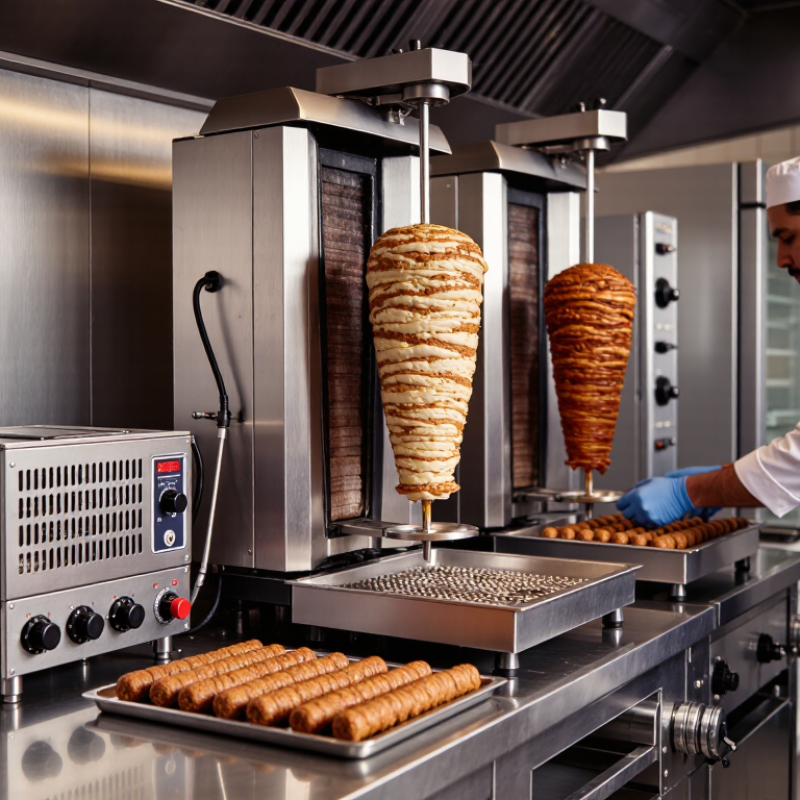
What Is a Seekh Kebab Maker Machine?
A seekh kebab maker machine is a food-processing device that shapes seasoned minced meat around skewers. It replaces hand-forming with a controlled extrusion process. The operator loads the mixture into a cylinder, then presses a handle or activates a motor. Meat passes through a shaped outlet and forms an even kebab.
A reliable machine should create consistent thickness without crushing the mixture. Stainless steel contact parts are easier to clean and resist food-related corrosion. Check the filling chamber, nozzle size, skewer compatibility, and output rate before buying. A small restaurant may need a compact manual model. A busy kitchen may require powered operation and a larger hopper.
Consistency matters here. Uneven kebabs cook at different speeds. That can leave thick centers undercooked while thin edges become dry. During practical testing, I would inspect several pieces, not only the first one. Watch for sticking, broken shapes, and difficult disassembly. These details often reveal more than advertised capacity.
Some mixtures contain coarse onions or firm herbs. They may block a narrow nozzle. A wider outlet can help, but it may produce heavier portions. Portion control also deserves attention. A scale or adjustable setting improves repeatability, although staff still need training. No machine is perfect. Cleaning can take longer than expected, especially around seals and corners.
How to Compare Machine Types, Materials, and Features?
Choosing a seekh kebab maker starts with comparing machine types, not chasing the lowest price. In my kitchen trials, a manual press worked well for small batches and occasional use. It offered direct control over portion size and meat texture. An electric model suited busy kitchens with steady demand. However, it needed more cleaning and careful maintenance. A hydraulic machine produced consistent shapes quickly, but its larger frame required more counter space. Capacity matters.
Materials affect hygiene, durability, and handling. Food-grade stainless steel resists corrosion and usually cleans easily. Check the frame, hopper, and pressing tube. Plastic parts may reduce weight and cost, but thin plastic can flex during repeated use. For heavier production, reinforced components are worth examining. Look closely at welds, hinges, and seals. Small weaknesses become expensive problems.
Features should support real work. Adjustable portion controls help create uniform kebabs and reduce waste. A removable hopper simplifies cleaning between batches. Safety switches, stable feet, and overload protection improve daily reliability. Verify food-contact materials and electrical documents for your market. Read the maintenance instructions before buying. I once valued speed more than cleaning time. That choice was imperfect. A slightly slower machine may perform better when staff can clean it quickly. Ask for dimensions, output per hour, spare-part availability, and a practical demonstration before deciding.
How to Evaluate Cost, Efficiency, and Supplier Support?
When choosing a seekh kebab maker machine, evaluate the full operating cost, not only the purchase price. A low-priced unit may require frequent cleaning, extra labor, or replacement parts. Ask for a written estimate covering electricity, shaping capacity, maintenance, and shipping. During a practical test, measure how many evenly shaped kebabs it produces in one hour. Record the weight of each piece. Small variations can increase waste and cooking time. This is where real kitchen experience matters. Staff should test the machine with the same mixture used in daily production.
Efficiency depends on more than advertised speed. Check whether the hopper loads easily, the controls are clear, and the forming tube can be changed without special tools. Observe the first and last batches. Some machines perform well when cold but become less consistent after continuous use. That detail is easy to miss. Leave space for cleaning around the unit, especially near seals and narrow corners. A machine that saves ten minutes of forming may lose an hour during sanitation. Confirm electrical requirements before delivery, and request output figures under realistic conditions.
Supplier support should be judged through evidence. Request a clear warranty, spare-parts list, response times, and service instructions in writing. Ask whether remote troubleshooting includes photos or video. Speak with current users if possible. Their comments may reveal delays that sales materials omit. Do not accept vague promises. Still, supplier support cannot fix poor internal planning. Train operators, keep a cleaning log, and review maintenance costs after the first month. Our evaluation may be imperfect when demand changes seasonally, so leave room for adjustment.