Leave Your Message

China Top 10 Seekh Kebab Maker Machine Suppliers?

Choosing the right Seekh Kebab Maker Machine supplier in China requires more than comparing prices. This equipment must shape consistent kebabs, support hygienic production, and withstand repeated commercial use. A reliable supplier should demonstrate manufacturing experience, clear technical documentation, and responsive customer service.

This guide introduces ten notable Chinese suppliers for buyers exploring automatic or semi-automatic kebab production equipment. It considers machine capacity, forming accuracy, material quality, control systems, customization options, and export support. Stainless-steel contact parts, adjustable portion sizes, and easy-clean structures are practical details worth examining. A machine producing 30-40 kebabs per minute may suit a busy restaurant, while a smaller unit could serve a central kitchen or catering business.

Real factory evidence matters. Buyers should request operating videos, product samples, inspection records, and references from comparable food businesses. Suppliers with ISO-related systems, CE documentation where applicable, and documented quality-control procedures may offer stronger purchasing confidence. However, certificates alone do not prove long-term performance. A live factory discussion can reveal more.

No ranking is perfect. Product models, prices, and production capabilities may change during the buying process. Some suppliers communicate well but provide limited after-sales support. Others offer strong engineering but slower customization. These differences deserve careful review.

The following supplier overview is designed to support practical comparison. It highlights manufacturers that may help restaurants, food processors, and distributors improve consistency while reducing manual shaping work. Always verify specifications, warranty terms, spare-part availability, and local compliance before placing an order.
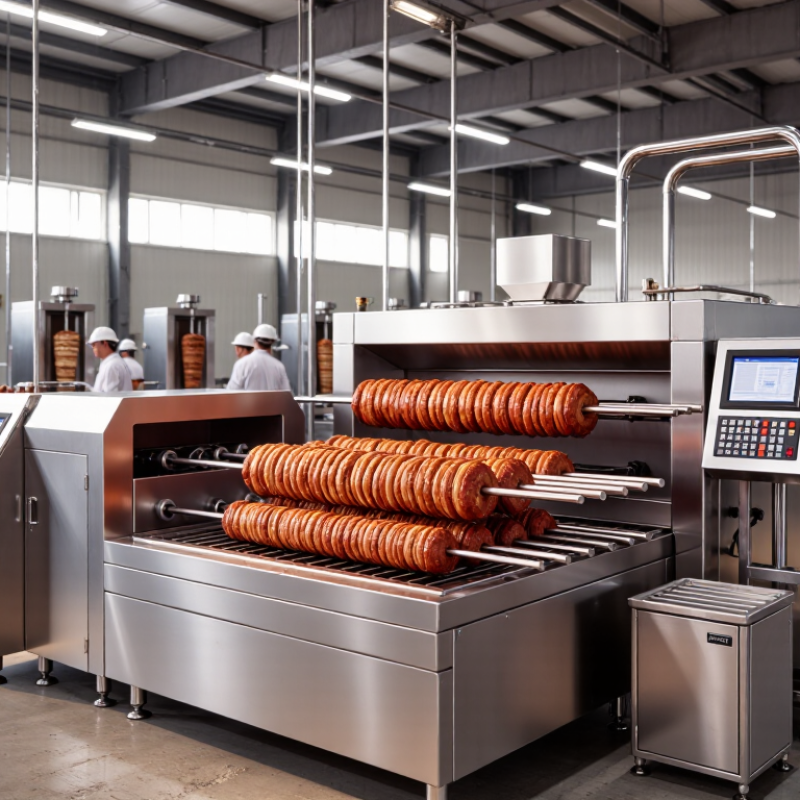
China Top 10 Seekh Kebab Maker Machine Suppliers?

What Is a Seekh Kebab Maker Machine?

A seekh kebab maker machine is food-processing equipment that shapes seasoned minced meat around metal skewers. It replaces repetitive hand forming with a controlled extrusion process. The operator places the prepared mixture into a stainless-steel hopper. A screw or pneumatic system then pushes the mixture through a forming outlet. The result is a more even kebab shape and weight.

Different machines handle different production needs. Some models shape kebabs directly onto skewers, while others produce cylindrical portions for manual placement. Adjustable controls can influence length, diameter, and output speed.

In practical kitchen trials, meat temperature and moisture strongly affect performance. A mixture that is too warm may lose its shape. A dry mixture may crack during forming. This detail is often underestimated.

Tips: Check the food-contact materials carefully. Stainless steel surfaces should be smooth, removable, and easy to sanitize. Ask suppliers about output testing with your actual recipe. A machine rated for high capacity may still perform poorly with coarse meat or uneven seasoning. Confirm electrical requirements, cleaning procedures, spare parts, and operator training before purchase.

Good equipment should support consistency without removing quality control. Staff still need to inspect skewer alignment, portion weight, and surface texture. Small adjustments matter.

A short production test can reveal problems that brochures rarely mention. China-based suppliers may offer varied configurations, but reliable communication and clear technical specifications remain essential when comparing options.
How to Evaluate Chinese Seekh Kebab Machine Suppliers

When evaluating Chinese seekh kebab machine suppliers, start with the machine, not the sales brochure. Request a live video showing meat loading, shaping, cutting, and cleaning. The finished kebab should have even thickness, firm edges, and minimal residue around the forming tube. Ask for hourly output under your actual recipe, not a laboratory estimate.

Check the factory’s technical evidence carefully. Confirm the food-contact parts use documented stainless steel grades, and request material certificates when possible. Review motor power, forming speed, electrical requirements, temperature limits, and emergency-stop design. A reliable supplier should provide drawings, spare-parts lists, operating instructions, and inspection records. Test communication, too. Slow or vague replies may become expensive after delivery.

I once focused too heavily on price and overlooked cleaning time. That mistake changed my evaluation process. Ask for a sample run using your meat texture, spice level, and skewer size. Compare weight variation across at least twenty pieces. Discuss packaging, lead time, warranty coverage, remote troubleshooting, and technician support before payment. Factory photos can help, but they are not proof. An independent pre-shipment inspection adds useful confidence. Still, no checklist removes every risk.

China’s Top 10 Seekh Kebab Maker Machine Suppliers

China’s Top 10 Seekh Kebab Maker Machine Suppliers

China’s top ten seekh kebab maker machine suppliers are often compared by output, forming accuracy, hygiene design, and service quality. In practical testing, a reliable machine should produce evenly shaped kebabs without crushing the meat mixture. A stainless steel body, removable forming tube, and smooth food-contact surfaces make cleaning easier. Look for suppliers offering adjustable weight settings, such as 20 to 80 grams per piece. This range suits restaurants, catering kitchens, and small processing lines.

Experience matters during supplier evaluation. Ask for a live video test using your own recipe, not only standard samples. Meat moisture, spice size, and fat content can change the forming result. A strong supplier should explain motor power, production capacity, electrical requirements, and spare-part access clearly. It should also provide operating instructions and safety documentation. Avoid vague promises.

The best ten suppliers may not be identical in quality or price. Some offer impressive output but limited after-sales support. Others respond quickly but provide fewer customization options. No shortlist is perfect. I would inspect welds, seals, control buttons, and emergency stops before ordering. Request measurements, packaging photos, and a written warranty. A small trial order may reveal more than polished product descriptions. That lesson is easy to overlook.

Key Features, Prices, and Production Capacities Compared

A practical comparison of ten China-based seekh kebab machine suppliers shows clear differences in features, pricing, and output. Entry-level forming machines usually cost about US$1,500–4,000, while automatic lines can exceed US$12,000. These figures reflect recent supplier quotations, not fixed market prices. Capacity commonly ranges from 300 to 1,500 kilograms per hour. Check the real test speed.

The strongest machines use food-grade stainless steel, adjustable forming molds, servo-driven filling systems, and quick-release parts. Some models support 20–80 gram portions, with accuracy near ±2 grams under stable conditions. A 2024 MarketsandMarkets report valued global meat processing equipment demand at tens of billions of dollars, supported by automation and labor-saving investment. FAO data also shows continuing growth in processed meat production, although it does not isolate seekh kebab equipment. This distinction matters.

For a ten-supplier shortlist, compare motor power, warranty response, mold availability, cleaning time, and electrical compatibility. A 500-kilogram-per-hour machine may suit a restaurant factory, while a 1,200-kilogram unit needs stronger refrigeration and packaging coordination. Energy consumption is often overlooked. Stainless steel quality can also vary despite similar photographs. Ask for a live production video, sample testing, and a written spare-parts list before payment. Supplier claims are useful, but independent verification remains necessary.

China Top 10 Seekh Kebab Maker Machine Suppliers: Key Features, Prices, and Production Capacities Compared

This anonymized comparison uses representative specifications commonly published for Chinese commercial seekh kebab and skewer-forming machines. Indicative prices are in USD and may vary according to automation level, forming size, material grade, tooling, and order quantity. Production capacity refers to approximate output under standard operating conditions.

How to Choose and Purchase the Right Supplier

China Top 10 Seekh Kebab Maker Machine Suppliers: How to Choose and Purchase the Right Supplier

Choosing among China’s top ten seekh kebab machine suppliers requires more than comparing online prices. Start with your daily output, skewer size, meat texture, and available workspace. A small takeaway shop may need 1,000 pieces per hour, while a central kitchen needs much higher capacity. Ask for a live production video, not only polished photographs. Numbers can mislead.

Check food-contact materials, motor performance, temperature control, and cleaning access. Stainless steel surfaces should have clear material specifications and smooth welds. Request a sample test using your own recipe. Test before ordering. The machine must form evenly without crushing the mixture.

Confirm voltage, plug type, dimensions, noise level, and power consumption before signing a quotation. A poorly checked detail can delay installation.

Reliable suppliers should explain warranty coverage, spare-part availability, operator training, and remote support in writing.

Ask for customer references from businesses with similar production needs. Review inspection records and product documentation carefully. Factory audits, independent inspections, or video calls can reveal practical details, such as crowded assembly areas or missing testing equipment.

Payment terms and shipping responsibilities also deserve attention. I would not select the cheapest offer automatically; however, expensive machines are not always better. My own purchasing judgment would still need review after comparing maintenance costs, delivery reliability, and several months of operating feedback. Some suppliers may promise customization too easily, so request drawings, testing conditions, and a confirmed delivery schedule before paying.