How to Choose the Best Electric Barbecue Grill
Choosing an Electric Barbecue Grill starts with your real cooking space, not a glossy feature list. A small balcony may call for a compact model with a stable base and modest footprint. A family patio may benefit from a wider grate, while apartment cooks may value easy storage. Measure the available area before comparing wattage, controls, or brand names. It sounds obvious. It is easy to skip.
Barbecue educator Steven Raichlen’s grilling guidance, paraphrased, offers a useful principle: choose equipment to suit the food and cooking style you enjoy. Think about whether you will sear vegetables, cook several burgers at once, or roast thicker cuts with the lid closed. Then check usable cooking area, temperature range, heat consistency, cleanup design, and cord placement. A removable drip tray can save time after cooking with sticky marinades. Clear temperature controls may matter more than a crowded panel of settings. High wattage alone does not guarantee even cooking.
There are trade-offs. Some compact grills heat quickly but leave little room for sides. Larger models offer more space but can take longer to clean and store. Reviews are useful when they describe repeated use, not just a single test. Still, every patio and kitchen is different. The best choice is the one that fits your routine, budget, and space—not the model with the loudest claims. One detail may surprise you: storage and cleanup can matter as much as peak heat.
Identify Your Grilling Space and Typical Cooking Needs
Before comparing electric barbecue grills, measure the space where you will cook and store one. Note the distance to a suitable outlet, nearby walls, and whether the grill must sit on a balcony table or patio cart. Check the manufacturer’s clearance and placement guidance; not every model is intended for indoor use. Measure with the lid open, too. It is easy to overestimate how much room you have.
Think about what you actually cook. A small cooking surface may suit two burgers and vegetables, but feel cramped when guests arrive. If you often grill fish, sliced vegetables, or several portions at once, look for enough usable surface area and simple temperature controls. Consider how often you will move the grill, and whether removable parts are easy to clean. A feature-packed grill can be more than you need.
Tips: Write down your usual meal and serving size before shopping. Picture the grill beside your chair or doorway, not just in a product photo. Check cord reach without stretching it across a walkway. Be honest about storage; a bulky grill can become inconvenient, even if its cooking space looks appealing.
How to Choose the Best Electric Barbecue Grill: Match Your Space and Cooking Needs
Use this planning estimate to compare cooking needs with the space available for a grill. It allows about 90 square inches of cooking surface per guest; actual needs vary with menu, portion sizes, and cooking style. Check the grill’s dimensions and clearance requirements before choosing a model.
Compare Grill Designs, Sizes, and Cooking Capacity
How to Choose the Best Electric Barbecue Grill
Compare Grill Designs, Sizes, and Cooking Capacity
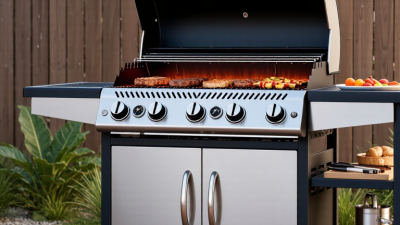
An open tabletop grill is easy to store and suits balconies or small patios. Its exposed cooking surface works well for quick meals, but wind can cool food and slow cooking. A hooded model holds heat more evenly and can handle thicker cuts. Check the lid clearance, too; a tall roast needs more room than flat burgers. Check the footprint.
Judge capacity by usable grate area, not the grill’s outer dimensions. For one or two people, a compact surface may be enough for a few burgers and vegetables. For a family, look for space to cook the main dish and a side at once. That separation matters. Crowding food can reduce browning, and advertised capacity may assume smaller portions than yours.
The Hearth, Patio & Barbecue Association’s 2024 industry survey reported that about 80% of U.S. adults own a grill or smoker. Ownership alone does not tell you what size to buy, but it points to varied cooking habits. Think about your usual meal: two salmon fillets, or several rounds of corn and burgers? I would measure the storage spot and compare it with the cooking grate before choosing. That rule is imperfect; gatherings change, and electric grills differ in heat recovery. Check whether the design offers adjustable heat and a removable drip tray, especially if you expect frequent use.
How to Choose the Best Electric Barbecue Grill - Compare Grill Designs, Sizes, and Cooking Capacity
| Grill Design |
Typical Cooking Area |
Typical Overall Size |
Typical Power |
Estimated Capacity |
Best For |
Key Consideration |
| Indoor contact grill |
About 180–220 sq in |
Roughly 12 × 12 in closed |
About 1,200–1,800 W |
2–4 people; typically 2–4 burgers at a time |
Quick indoor meals and small kitchens |
Clamshell plates cook both sides at once; check whether the plates are removable for cleaning. |
| Open tabletop grill |
About 220–280 sq in |
Roughly 18 × 14 in |
About 1,300–1,800 W |
2–4 people; typically 4–6 burgers at a time |
Balconies, patios, and table use where permitted |
Offers an open-grill layout, but needs a stable heat-resistant surface and adequate clearance. |
| Outdoor cart-style grill |
About 280–360 sq in |
Roughly 40–48 in wide × 20–24 in deep |
About 1,500–2,000 W |
4–6 people; typically 6–8 burgers at a time |
Outdoor cooking and larger gatherings |
Check the available outdoor outlet, cord requirements, storage space, and local rules for electric grills. |
| Compact portable grill |
About 140–200 sq in |
Roughly 16–20 in wide × 12–16 in deep |
About 1,000–1,500 W |
1–3 people; typically 2–4 burgers at a time |
Small households and easy storage |
A smaller footprint is convenient, but limited surface area may require cooking in batches. |
Figures are approximate examples of common electric-grill configurations; actual dimensions, power, cooking area, and serving capacity vary by model. Capacity estimates assume typical burger-sized portions.
Assess Heat Output, Temperature Control, and Performance
Heat output matters, but the wattage printed on a box does not tell the whole story. A larger cooking surface needs more energy to heat evenly, while lid design and insulation affect how well heat stays inside. Check the grill’s stated temperature range and look for evidence that it can reach a strong searing temperature. Then consider whether it can hold a lower setting for vegetables or thicker cuts. That balance is useful.
Temperature control should feel predictable, not merely offer a row of settings. A clear dial or display helps, but stability matters more: does the grill maintain its setting, or swing sharply as it cycles on and off? I once trusted the number on a control panel too much. A simple oven thermometer placed near the cooking surface can reveal differences the display misses. Small fluctuations are normal.
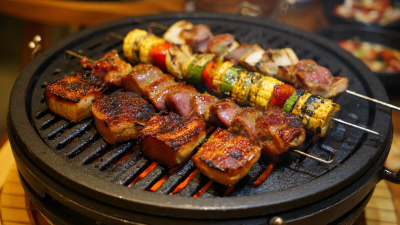
Performance shows up during cooking. Preheat the grill, place food across the grate, and notice whether the center browns faster than the edges. Watch the edges. Add a few chilled pieces and see how quickly the surface recovers; slow recovery can leave food steaming instead of searing. If possible, test the grill with the foods you actually cook, since thin burgers and dense vegetables respond differently. No single test tells everything, and wind or room temperature can skew results. That is worth admitting.
Balance Useful Features Against Your Budget and Priorities
Start with the way you actually cook, not the longest feature list. For a small balcony, a compact grill with a stable stand may matter more than a wide cooking surface. If you often cook for several people, check the usable grate area and whether heat reaches the edges evenly. A temperature dial is useful, but clear, repeatable settings matter more than extra modes. Fancy controls can wait.
Set a firm budget, then compare practical details within it. A removable grease tray can make cleanup easier after cooking burgers or vegetables. Check the grill’s dimensions, cord length, and power requirements against your available space and outlet. A lid may help retain heat, while a built-in thermometer can make temperature checks simpler. Neither is essential for every cook. Replacement parts and warranty terms are worth checking before purchase, since a low price may not tell the whole story.
It is easy to overrate features you may rarely use. I’d rather have a sturdy grate and predictable heat than a crowded control panel, though that preference may not suit everyone. Think about storage, too: a grill that is awkward to lift may stay unused. Keep a little room in the budget for a cover or basic cleaning tools, if needed.