10 Best Automatic Dishwasher Suppliers for Global Buyers
Choosing an Automatic Dishwasher supplier requires more than comparing catalog prices. Global buyers must examine cleaning performance, water consumption, production capacity, documentation, and after-sales support. A polished product photo cannot reveal weak hinges, noisy pumps, or delayed spare parts.
Dr. Donald Norman, a respected design and usability expert, stated, “Design is really an act of communication.” His principle applies directly to appliance sourcing. A dependable supplier should communicate specifications clearly, from rack dimensions and cycle duration to energy ratings and installation requirements. Buyers should also request factory evidence, including quality-control records, sample testing, and references from comparable markets. Certifications matter, but they should be verified through reliable documentation.
This guide reviews ten Automatic Dishwasher suppliers for international buyers. It considers manufacturing experience, product range, customization ability, export readiness, and service responsiveness. Some suppliers may offer impressive technology but limited support outside their home region. Others may provide strong pricing while leaving uncertainty around long-term durability. That difference matters in hotels, restaurants, hospitals, and residential projects.
The assessment is not flawless. Supplier information changes, and published claims require independent checking. Even experienced buyers can overlook packaging damage, voltage compatibility, or local water conditions. A practical evaluation should test real samples before large orders. Look closely at spray-arm coverage, filter cleaning, door balance, and drying results. Small details often decide whether an Automatic Dishwasher becomes a dependable asset or an expensive maintenance problem.
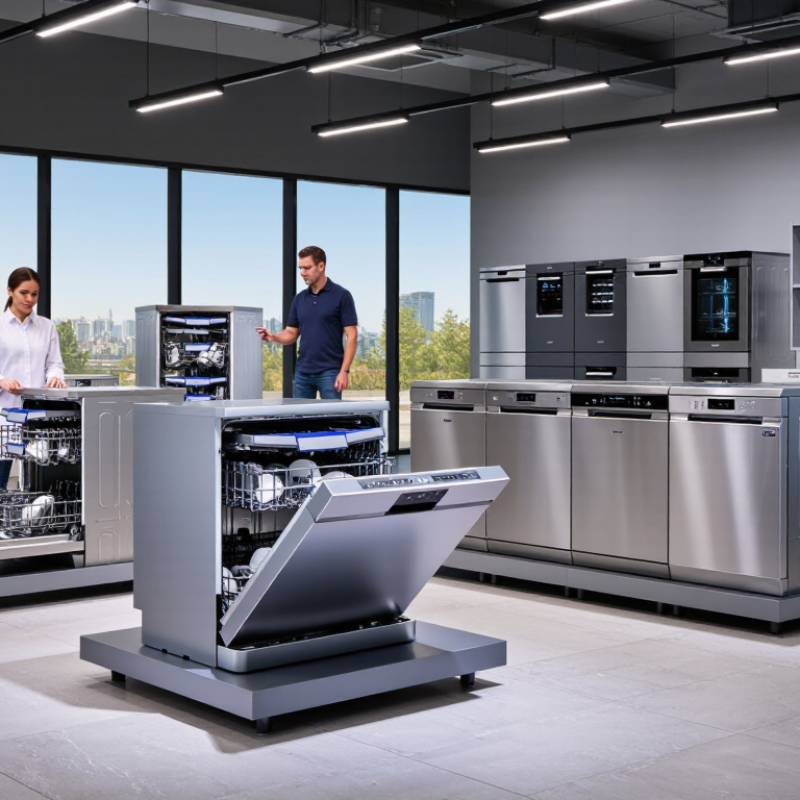
What Automatic Dishwasher Suppliers Offer Global Buyers
Automatic dishwasher suppliers serve global buyers with more than machines. They provide capacity planning, installation guidance, technical drawings, and product training. A reliable supplier asks about kitchen size, dish volume, water pressure, and local power standards before recommending equipment. This practical step prevents costly mismatches.
Many suppliers offer several configurations, including undercounter, hood-type, conveyor, and flight-type systems. Buyers can request adjustable wash cycles, drying functions, heat recovery, and stainless-steel construction. Suppliers may also provide water and energy estimates for daily operations. These figures need careful checking. Laboratory results may not match a busy hotel kitchen.
Export support is another important service. Experienced suppliers prepare packing lists, user manuals, spare-parts schedules, and installation instructions. Some arrange remote commissioning or send technicians for on-site setup. They should explain warranty coverage, response times, and maintenance intervals in clear language. Ask for replacement pump, spray arm, filter, and control-panel costs before ordering. Small parts matter.
Customization can include voltage, drainage direction, basket size, language settings, and external dimensions. However, excessive customization may increase lead times and complicate future repairs. Buyers should request sample testing with their own plates, trays, and soil types. A dependable supplier shares test conditions, inspection records, and realistic delivery schedules. Promises alone are not enough. Procurement teams should compare total ownership costs, not only the purchase price.
Criteria for Evaluating International Dishwasher Manufacturers
When comparing the 10 best automatic dishwasher suppliers, international buyers should examine more than price and catalog design. A reliable manufacturer can provide factory details, production capacity, and recent quality records. Ask for a live video audit or an independent inspection before placing a large order. Photos alone are weak evidence.
Technical fit matters. Confirm voltage, frequency, water pressure range, drainage design, noise level, and installation dimensions. A dishwasher designed for 220–240V and 50Hz may not suit every market. Request test reports for cleaning performance, electrical safety, leakage protection, and energy use. Check whether these documents match the exact model, not an older version. Small details matter.
Supply continuity also deserves close attention. Evaluate spare-part availability, warranty procedures, packaging strength, and average response time. Ask how the supplier handles damaged racks, pumps, or control boards after delivery. Clear production schedules and written inspection standards show stronger operational control. However, a polished catalog can still mislead. One overlooked issue is after-sales training for local technicians. It may not appear in the quotation. Compare minimum order quantities, sample policies, payment terms, and shipping experience carefully. A lower unit price can hide costly replacement parts or delayed support. My own evaluation would remain provisional until sample testing, factory verification, and buyer references are complete. Reputation helps, but evidence carries more weight.
10 Best Automatic Dishwasher Suppliers for Global Buyers
Criteria for Evaluating International Dishwasher Manufacturers
This buyer scorecard uses a 100-point evaluation framework based on internationally recognized requirements and practical import considerations. It covers product safety and market compliance, performance testing under IEC 60436, energy and water efficiency, quality-management evidence such as ISO 9001, export capability, and after-sales support. The percentages are evaluation weights rather than company or brand data.
Ten Leading Automatic Dishwasher Suppliers by Global Market Reach
Ten Leading Automatic Dishwasher Suppliers by Global Market Reach
Global buyers now judge automatic dishwasher suppliers beyond factory price. They examine export coverage, production capacity, water efficiency, and after-sales support. Grand View Research estimates the global dishwasher market will grow at about 5.5% annually from 2024 to 2030. However, published estimates differ by research method. That gap deserves attention.
A review of ten leading suppliers should begin with market reach. Strong candidates maintain regional warehouses, multilingual technical teams, and stable component sourcing. Their machines should support varied kitchen layouts, voltage systems, and installation practices.
In practical sourcing, small details matter. Door hinges, drainage fittings, and replacement pumps can decide project success. Suppliers with ISO 9001 production systems offer clearer quality controls, although certification alone cannot guarantee every shipment.
Energy performance also separates serious exporters from ordinary factories. The International Energy Agency reports that appliances remain an important part of household electricity demand worldwide. Efficient wash cycles, soil sensors, heat recovery, and low-noise motors therefore influence long-term value.
Buyers should request measured water and energy data, not only catalog claims. EU product databases and independent laboratory reports can strengthen verification.
Still, some suppliers provide impressive samples but weaker documentation at scale. That is a real risk. A balanced assessment should compare audit results, warranty response times, spare-parts availability, and delivery records across regions. Global reach is useful, but dependable execution matters more.
Comparing Product Features, Certifications, and Export Services
When comparing ten automatic dishwasher suppliers, start with the machine’s actual washing performance. Check spray-arm coverage, filter access, rack flexibility, and drying results. Stainless-steel tubs usually support longer service life. Adjustable racks help restaurants and households handle mixed loads. Useful sensors measure turbidity, water level, and temperature. These features can reduce water waste, but only when calibrated correctly. Ask for noise readings under a defined test cycle. “Quiet” is not a technical specification.
Certifications need careful verification. A supplier may offer CE, CB, ETL, or other market-specific approvals. Confirm that certificates match the exact model, voltage, factory, and production date. Also review EMC, electrical safety, RoHS, and energy-efficiency documents where required. ISO 9001 can indicate process control, but it does not certify dishwasher performance. Request laboratory reports, not only scanned certificates. A polished file is not enough.
Export service often separates a capable supplier from a risky one. Compare carton strength, pallet treatment, container loading plans, and spare-parts availability. Reliable suppliers provide wiring diagrams, installation manuals, maintenance videos, and clear warranty terms. They should explain FOB, CIF, or DDP pricing without hiding local charges. Confirm lead times with a written production schedule. One overlooked detail can delay a shipment. Samples matter, although sample quality may not represent mass production. Ask about final inspection, replacement procedures, and response times before placing a large order. Mistakes still happen; transparent correction is more valuable than perfect promises.